
Bleeding Your Radiators to Get the Most Heat in Your Ashburton House
Uneven heating in your Ashburton home often means trapped air is blocking hot water flow through your radiators. When air pockets form, radiators feel cold at the top while the bottom stays warm. This simple maintenance task can restore even heat distribution and lower your energy bills this winter. Fast Water Heater Replacement for Homeowners in Towson and Lutherville.
Before you begin, turn off your heating system completely and let the radiators cool for at least 30 minutes. Working on hot radiators risks burns from escaping steam or scalding water. Place a towel under the bleed valve to catch any drips and have a small container ready to collect water. Fixing Low Water Pressure in Your Locust Point Rowhome.
Tools You’ll Need for Radiator Bleeding
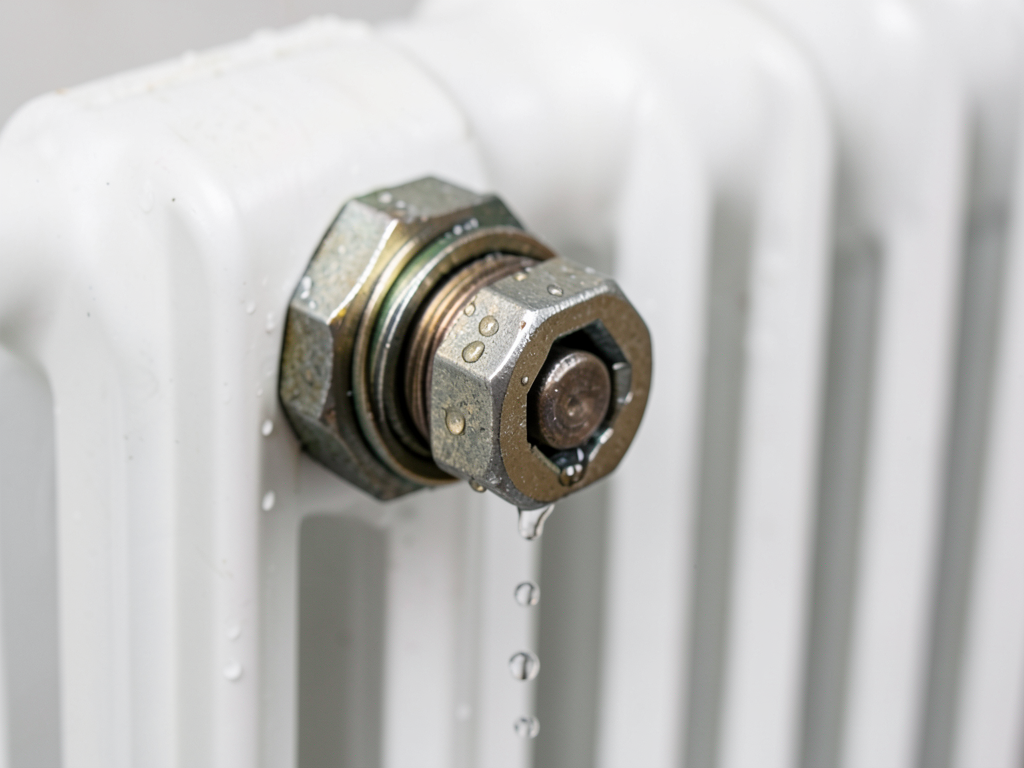
Most radiators in Ashburton homes use one of three bleed valve types. A traditional radiator key fits square bleed valves found on older cast-iron radiators. Some newer models use a flathead screwdriver slot instead. A few high-efficiency radiators have automatic air vents that require no manual bleeding.
Local hardware stores like the Home Depot on Reisterstown Road or True Value in Pikesville stock radiator keys for under $5. Keep a cloth and small bowl nearby throughout the process. If you cannot locate your bleed valve, it sits at the top of the radiator on the side opposite the inlet pipe.
Step-by-Step Radiator Bleeding Process
- Prepare the System
Turn off your boiler and central heating. Wait until radiators are completely cool to touch. This prevents hot water or steam from escaping under pressure.
- Locate and Open the Valve
Fit your radiator key or screwdriver into the bleed valve. Turn counterclockwise slowly, about a quarter to half turn. Listen for a hissing sound as trapped air escapes.
- Watch for Water Flow
Keep the valve open until water flows steadily without sputtering. This indicates all air has been purged from that radiator section.
- Close and Clean Up
Turn the valve clockwise to close it firmly but avoid overtightening. Wipe any water from the valve and surrounding area.
- Check Boiler Pressure
Modern hydronic systems require 12-15 psi when cold. If pressure dropped below 10 psi, you may need to add water through the boiler’s filling loop. Consult your boiler manual for the exact procedure.
Steam vs. Hot Water Radiators in Baltimore Homes
Ashburton and surrounding Baltimore neighborhoods feature two main radiator types. Steam radiators, common in homes built before 1950, use one pipe for both steam supply and condensate return. Hot water radiators, standard in homes from the 1960s onward, use separate supply and return pipes.
Steam systems rarely need bleeding since air naturally vents through radiator air vents. However, these vents can fail, causing radiators to stay cold. Hot water systems accumulate air over time, especially after system maintenance or water additions. The Baltimore City water supply contains minerals that can contribute to sediment buildup, making annual bleeding important for system efficiency.
EPA Lead and Copper Rule compliance requires special handling when working on older Baltimore plumbing systems. Homes built before 1986 may contain lead solder or pipes. Always use proper safety equipment and consider professional service if your system predates modern plumbing codes.
Troubleshooting Common Radiator Problems
If a radiator stays cold after bleeding, several issues could be causing the problem. A blocked or painted-over bleed valve prevents air release. Use a small wire or compressed air to clear debris from the valve opening. Thermostatic radiator valves (TRVs) can stick in the closed position, blocking water flow entirely.
Cold spots at the bottom of a radiator indicate sludge buildup inside the unit. This happens when rust and mineral deposits accumulate over years of use. Flushing the system requires professional equipment and chemicals. The ASHRAE recommends professional system cleaning every 5-7 years for optimal performance.
Pump failure causes entire zones to stay cold. Listen for the circulator pump running when your thermostat calls for heat. No sound means the pump needs replacement. Modern variable-speed pumps adjust automatically to heating demand, improving efficiency by up to 30% compared to single-speed models.
When to Call a Baltimore Professional
Call a licensed plumber if you notice water leaking from radiator valves, see corrosion on pipes, or cannot restore proper boiler pressure after bleeding. Maryland requires plumbers to hold a Master Plumber license for work on heating systems. Verify credentials through the Maryland Department of Labor.
Older Ashburton homes often have hidden issues that complicate DIY repairs. Galvanized steel pipes corrode internally, reducing flow rates. Cast-iron radiators can crack from freeze damage or age-related metal fatigue. Professional diagnosis prevents costly mistakes and ensures code compliance. Professional Drain Cleaning Services to Clear Stubborn Clogs in Federal Hill.
Emergency service is available 24/7 for heating failures during Baltimore’s cold winters. Call (443) 443-9099 immediately if you smell gas, see water pooling around your boiler, or experience complete heat loss. These situations require prompt professional attention to prevent property damage or safety hazards. Who to Call for an Emergency Pipe Burst in Canton Right Now.
Maintaining Your Heating System Year-Round
Annual professional maintenance extends system life and prevents mid-winter failures. Technicians check combustion efficiency, test safety controls, and inspect heat exchangers for cracks. The ASHRAE Standard 103 recommends annual tune-ups for gas-fired boilers to maintain peak efficiency.
Replace air filters monthly during heating season. Clean filters improve airflow and reduce strain on your system. Check thermostat batteries twice yearly. Programmable thermostats save up to 10% on heating costs by automatically adjusting temperatures when you are asleep or away.
Consider upgrading to a high-efficiency condensing boiler if your current unit is over 15 years old. Modern units achieve 90-95% efficiency compared to 65-75% for older models. The initial investment typically pays for itself within 5-7 years through energy savings.
Energy Efficiency Tips for Ashburton Homes
Proper insulation reduces heating loads and improves comfort. Baltimore’s climate zone requires R-49 attic insulation and R-13 wall insulation minimum. Seal air leaks around windows, doors, and utility penetrations with caulk or weatherstripping. The Department of Energy estimates that air sealing can reduce heating costs by 15-30%.
Install reflective radiator panels behind cast-iron radiators to direct heat into rooms instead of walls. These simple additions can increase heating efficiency by 10-15%. Keep furniture and curtains away from radiators to allow proper heat circulation.
Consider zoning your heating system if you have multiple floors or rarely used rooms. Zone control allows different temperatures in different areas, reducing energy waste. Smart thermostats learn your schedule and preferences, automatically optimizing heating cycles for maximum comfort and efficiency.
Safety Considerations for Older Baltimore Homes
Homes built before 1980 may contain asbestos insulation around steam pipes or boiler components. Disturbing this material releases harmful fibers. If you suspect asbestos, contact a licensed abatement contractor before attempting any radiator work. The EPA asbestos guidelines require professional handling of suspect materials.
Carbon monoxide detectors are mandatory in all Baltimore homes with combustion appliances. Install detectors on every level and outside sleeping areas. Test monthly and replace batteries annually. Carbon monoxide is odorless and colorless, making detectors your only warning of dangerous buildup.
Keep flammable materials at least three feet from all heating equipment. This includes paper, clothing, cleaning supplies, and gasoline. Never use ovens or stovetops for space heating. These appliances are not designed for this purpose and create serious fire and carbon monoxide risks.
Frequently Asked Questions
How often should I bleed my radiators?
Most homes need radiator bleeding once per year, typically before the heating season begins. If you notice cold spots or gurgling sounds during operation, bleeding may be needed more frequently.
Can I bleed radiators while the heating is on?
No. Always turn off your heating system and allow radiators to cool completely before bleeding. Hot water or steam under pressure can cause severe burns.
What causes air to get into my heating system?
Air enters through system leaks, during maintenance or repairs, or when water is added to replace losses. Baltimore’s municipal water contains dissolved gases that can form air pockets as water heats.
How do I know if my boiler pressure is correct?
Most residential boilers operate at 12-15 psi when cold. Check the pressure gauge on your boiler. If pressure falls below 10 psi, you may need to add water through the filling loop.
Should I hire a professional or do it myself?
Simple radiator bleeding is safe for most homeowners to perform. However, if you have an older system, suspect leaks, or cannot restore proper pressure, professional service ensures safety and proper repairs.

[IMAGE_PLACEHOLDER_3>
Restore Comfort to Your Ashburton Home Today
Don’t let another winter pass with cold spots and inefficient heating. Bleeding your radiators is the first step toward a warmer, more comfortable home. If you encounter any problems or prefer professional service, Keystone Plumbing Baltimore has served the Ashburton area for over 15 years with expert heating system maintenance and repair. Plumbing College Park.
Call (443) 443-9099 today to schedule your radiator inspection or heating system tune-up. Our licensed technicians understand the unique challenges of Baltimore’s historic homes and can restore your heating system to peak efficiency before the next cold snap hits.
Pick up the phone and call (443) 443-9099 before the next storm hits. Your comfort and safety are our top priority, and we offer same-day service for heating emergencies throughout the Ashburton community.
You may also find this helpful. The Right Way to Winterize Your Outdoor Plumbing in Poplar Hill.
{
“@context”: “https://schema.org”,
“@type”: “BlogPosting”,
“headline”: “Bleeding Your Radiators to Get the Most Heat in Your Ashburton House”,
“description”: “Learn how to bleed radiators in your Ashburton home with this step-by-step guide. Fix cold spots and improve heating efficiency before winter hits Baltimore.”,
“wordCount”: 1566,
“datePublished”: “2026-03-31T09:40:00.000Z”,
“dateModified”: “2026-03-31T09:40:00.000Z”,
“inLanguage”: “en-US”,
“mainEntityOfPage”: {
“@type”: “WebPage”,
“@id”: “https://keystoneplumbingbaltimore.com”
},
“publisher”: {
“@type”: “LocalBusiness”,
“name”: “Keystone Plumbing Baltimore”,
“url”: “https://keystoneplumbingbaltimore.com”
},
“author”: {
“@type”: “Organization”,
“name”: “Keystone Plumbing Baltimore”,
“url”: “https://keystoneplumbingbaltimore.com”
},
“image”: {
“@type”: “ImageObject”,
“url”: “https://keystoneplumbingbaltimore.com/wp-content/uploads/2026/03/bleeding-your-radiators-to-get-the-most-heat-in-yo-1.png”
}
}
{
“@context”: “https://schema.org”,
“@type”: “Plumber”,
“name”: “Keystone Plumbing Baltimore”,
“url”: “https://keystoneplumbingbaltimore.com”,
“address”: {
“@type”: “PostalAddress”,
“addressLocality”: “Baltimore”
},
“areaServed”: {
“@type”: “City”,
“name”: “Baltimore”
}
}
{
“@context”: “https://schema.org”,
“@type”: “FAQPage”,
“mainEntity”: [
{
“@type”: “Question”,
“name”: “How often should I bleed my radiators?”,
“acceptedAnswer”: {
“@type”: “Answer”,
“text”: “Most homes need radiator bleeding once per year, typically before the heating season begins. If you notice cold spots or gurgling sounds during operation, bleeding may be needed more frequently.”
}
},
{
“@type”: “Question”,
“name”: “Can I bleed radiators while the heating is on?”,
“acceptedAnswer”: {
“@type”: “Answer”,
“text”: “No. Always turn off your heating system and allow radiators to cool completely before bleeding. Hot water or steam under pressure can cause severe burns.”
}
},
{
“@type”: “Question”,
“name”: “What causes air to get into my heating system?”,
“acceptedAnswer”: {
“@type”: “Answer”,
“text”: “Air enters through system leaks, during maintenance or repairs, or when water is added to replace losses. Baltimore’s municipal water contains dissolved gases that can form air pockets as water heats.”
}
},
{
“@type”: “Question”,
“name”: “How do I know if my boiler pressure is correct?”,
“acceptedAnswer”: {
“@type”: “Answer”,
“text”: “Most residential boilers operate at 12-15 psi when cold. Check the pressure gauge on your boiler. If pressure falls below 10 psi, you may need to add water through the filling loop.”
}
},
{
“@type”: “Question”,
“name”: “Should I hire a professional or do it myself?”,
“acceptedAnswer”: {
“@type”: “Answer”,
“text”: “Simple radiator bleeding is safe for most homeowners to perform. However, if you have an older system, suspect leaks, or cannot restore proper pressure, professional service ensures safety and proper repairs.”
}
}
]
}
{
“@context”: “https://schema.org”,
“@type”: “HowTo”,
“name”: “How to Bleed a Radiator”,
“step”: [
{
“@type”: “HowToStep”,
“position”: 1,
“name”: “Prepare the System”,
“text”: “Turn off your boiler and central heating. Wait until radiators are completely cool to touch. This prevents hot water or steam from escaping under pressure.”
},
{
“@type”: “HowToStep”,
“position”: 2,
“name”: “Locate and Open the Valve”,
“text”: “Fit your radiator key or screwdriver into the bleed valve. Turn counterclockwise slowly, about a quarter to half turn. Listen for a hissing sound as trapped air escapes.”
},
{
“@type”: “HowToStep”,
“position”: 3,
“name”: “Watch for Water Flow”,
“text”: “Keep the valve open until water flows steadily without sputtering. This indicates all air has been purged from that radiator section.”
},
{
“@type”: “HowToStep”,
“position”: 4,
“name”: “Close and Clean Up”,
“text”: “Turn the valve clockwise to close it firmly but avoid overtightening. Wipe any water from the valve and surrounding area.”
},
{
“@type”: “HowToStep”,
“position”: 5,
“name”: “Check Boiler Pressure”,
“text”: “Modern hydronic systems require 12-15 psi when cold. If pressure dropped below 10 psi, you may need to add water through the boiler’s filling loop. Consult your boiler manual for the exact procedure.”
}
],
“image”: “https://keystoneplumbingbaltimore.com/wp-content/uploads/2026/03/bleeding-your-radiators-to-get-the-most-heat-in-yo-1.png”
}
{
“@context”: “https://schema.org”,
“@type”: “BreadcrumbList”,
“itemListElement”: [
{
“@type”: “ListItem”,
“position”: 1,
“name”: “Home”,
“item”: “https://keystoneplumbingbaltimore.com”
},
{
“@type”: “ListItem”,
“position”: 2,
“name”: “Blog”,
“item”: “https://keystoneplumbingbaltimore.com/blog”
},
{
“@type”: “ListItem”,
“position”: 3,
“name”: “Bleeding Your Radiators to Get the Most Heat in Your Ashburton House”
}
]
}
{
“@context”: “https://schema.org”,
“@type”: “Service”,
“serviceType”: “Plumbing”,
“provider”: {
“@type”: “LocalBusiness”,
“name”: “Keystone Plumbing Baltimore”,
“url”: “https://keystoneplumbingbaltimore.com”
},
“areaServed”: {
“@type”: “City”,
“name”: “Baltimore”
},
“description”: “Learn how to bleed radiators in your Ashburton home with this step-by-step guide. Fix cold spots and improve heating efficiency before winter hits Baltimore.”
}