
How to Choose the Right Horsepower for a New Garbage Disposal in your Overlea Kitchen
Choosing the right garbage disposal horsepower for your Overlea kitchen can mean the difference between a unit that handles your family’s needs effortlessly and one that jams constantly or burns out prematurely. The horsepower rating directly impacts grinding power, noise levels, and overall durability. Understanding these differences helps you avoid the frustration of an underpowered unit or the unnecessary expense of an oversized one.
Overlea homes typically feature kitchens built between the 1950s and 2000s, with plumbing configurations that handle standard residential waste loads. The Baltimore area’s water hardness and the age of local plumbing systems create specific considerations when selecting a disposal. A 1/2 horsepower unit might seem sufficient, but families cooking multiple meals daily or entertaining guests often find themselves battling frequent jams and reset button trips. Fast Water Heater Replacement for Homeowners in Towson and Lutherville.
Before making your decision, consider your household size, cooking habits, and the age of your home’s plumbing infrastructure. Older Baltimore homes may have smaller drain pipes that struggle with the torque of high-powered disposals, while newer construction can handle more robust units. The right choice balances your waste volume needs with your home’s plumbing capacity. Professional Drain Cleaning Services to Clear Stubborn Clogs in Federal Hill.
The Horsepower Breakdown: 1/3 HP to 1 HP
Garbage disposals range from 1/3 horsepower economy models up to 1 horsepower professional-grade units. Each category serves different household needs and waste processing volumes. Understanding these distinctions helps you match the right power to your kitchen demands.
1/3 Horsepower Models represent the economy tier, suitable for single occupants or vacation homes. These units grind soft food waste but struggle with fibrous vegetables, bones, or fruit pits. The smaller motors run at higher RPMs to compensate for lower torque, but this creates more vibration and noise. They typically feature galvanized steel components that corrode faster in Baltimore’s hard water conditions.
1/2 Horsepower Units serve as the standard residential minimum. They handle typical food waste from small families and feature improved sound insulation. These models work well for couples or single people who cook occasionally. The stainless steel grinding components offer better corrosion resistance than economy models, though they still struggle with heavy-duty waste like corn husks or celery strings.
3/4 Horsepower Disposals represent the sweet spot for most Overlea families. They process tougher waste including small bones, fruit pits, and fibrous vegetables without jamming. The additional torque means less vibration and quieter operation. These units typically include anti-jam features and longer warranties, making them cost-effective for households of 3-5 people.
1 Horsepower and Above units handle commercial-grade waste volumes. They process everything from chicken bones to corn cobs without hesitation. The powerful motors run cooler and last longer under heavy use. These models suit large families, frequent entertainers, or homes where multiple people cook daily. The higher initial cost pays off through reliability and reduced maintenance.
Household Size vs. Horsepower Requirements
Your household size and cooking frequency directly determine the horsepower you need. A retired couple who eat out frequently has vastly different requirements than a family of five cooking three meals daily. Matching horsepower to your actual usage prevents both underpowered frustration and unnecessary expense.
1-2 People typically need 1/2 horsepower units. This includes singles, couples, or retirees who cook occasionally. These households generate minimal food waste and rarely process tough materials. The 1/2 HP models provide adequate power while maintaining reasonable noise levels and energy efficiency.
3-5 People benefit from 3/4 horsepower disposals. This household size represents the majority of Overlea homes, where daily meal preparation creates moderate waste volumes. The additional power handles vegetable scraps, fruit waste, and occasional small bones without strain. The improved sound insulation becomes noticeable during busy kitchen hours.
5+ People require 1 horsepower units or larger. Large families, multi-generational households, or homes where multiple people cook simultaneously need maximum grinding power. These units process everything from corn cobs to chicken bones without jamming. The higher torque also means less vibration transfer to your sink and countertops.
Special Usage Considerations may push you toward higher horsepower regardless of household size. Frequent entertainers, home canning enthusiasts, or those who process large quantities of produce benefit from extra grinding power. The ability to handle tough waste without pre-processing saves time and prevents disposal damage.
Key Features to Pair with Horsepower
Horsepower alone doesn’t determine disposal performance. Several key features work alongside motor power to deliver reliable waste processing. Understanding these features helps you select a unit that performs well in your specific Baltimore kitchen environment.
Grinding Chamber Material affects durability and corrosion resistance. Stainless steel chambers last longer in Baltimore’s hard water conditions, resisting mineral buildup that can reduce efficiency. Galvanized steel chambers cost less but corrode faster, especially when processing acidic foods like citrus peels or tomato waste.
Sound Insulation Technology varies significantly between models. Higher horsepower units often include better sound dampening, but premium features like multi-layer insulation and anti-vibration mounts reduce noise across all power levels. Overlea kitchens with open floor plans benefit most from quiet operation during meal preparation.
Jam-Sensing Technology prevents motor burnout by detecting when the grinding chamber is overloaded. These systems automatically reverse the grinding direction or shut down temporarily, preventing damage from fibrous materials or foreign objects. This feature proves valuable in older Baltimore homes where drain pipes may already be partially restricted.
Continuous Feed vs. Batch Feed design affects both convenience and safety. Continuous feed models allow you to add waste while the unit runs, ideal for busy kitchens. Batch feed models require you to load waste and then activate the unit, offering enhanced safety for homes with small children but slower processing.
Baltimore Plumbing Considerations
Local plumbing infrastructure creates specific requirements for garbage disposal selection in Overlea and surrounding Baltimore neighborhoods. The age of your home’s plumbing, water quality, and municipal sewer system all influence which disposal horsepower works best in your kitchen. Fixing Low Water Pressure in Your Locust Point Rowhome.
Older Baltimore Homes often feature cast iron drain pipes that corrode internally over decades. These pipes have rougher interiors than modern PVC, creating more resistance to waste flow. High-torque disposals can actually worsen drainage in these systems by creating more forceful waste discharge that hits restrictions sooner.
Baltimore Water Hardness affects disposal longevity across all horsepower ratings. The region’s moderately hard water leaves mineral deposits on grinding components, reducing efficiency over time. Stainless steel components resist this buildup better than galvanized alternatives, maintaining performance longer in local conditions.
Municipal Sewer Systems in Baltimore County handle waste differently than septic systems common in rural Maryland. Homes connected to city sewers can typically handle higher horsepower units without concern for septic tank overload. However, older sewer lines may have restrictions that high-torque disposals can aggravate.
Local Building Codes require specific electrical and plumbing connections for garbage disposals. Baltimore County plumbing code Section P-1504 mandates dedicated 15-amp circuits for residential disposals, with GFCI protection required in many installations. Professional installation ensures compliance and prevents code violations that could affect home sales.
Professional vs. DIY Installation
Garbage disposal installation involves electrical wiring, plumbing connections, and proper sealing to prevent leaks. While DIY installation saves money upfront, professional installation prevents costly mistakes that could damage your kitchen or create safety hazards in your Overlea home. Plumbing College Park.
Electrical Safety represents the primary concern in DIY installations. Garbage disposals require proper grounding and often need dedicated circuits to prevent overloading. Incorrect wiring creates fire hazards and may violate Baltimore County electrical codes. Professional plumbers ensure all connections meet current safety standards.
Plumbing Connections must prevent leaks that could damage cabinets and flooring. The mounting assembly requires precise torque specifications, and drain connections need proper sealing to prevent sewer gas infiltration. Professional installation includes leak testing and proper alignment that DIY approaches often miss.
Warranty Considerations frequently require professional installation for full coverage. Many manufacturers void warranties if installations don’t meet specific requirements or local codes. Professional installation provides documentation that protects your warranty coverage and ensures compliance with Baltimore County regulations.
Code Compliance extends beyond basic installation. Baltimore County requires permits for many plumbing modifications, and inspections may be necessary for resale. Professional plumbers handle permitting and ensure all work meets current building codes, preventing issues when you sell your Overlea home.
Common Mistakes to Avoid
Selecting the wrong garbage disposal horsepower creates problems that range from minor annoyances to major plumbing issues. Understanding common mistakes helps you make informed decisions that prevent costly repairs and replacements in your Baltimore kitchen. EPA WaterSense guidelines for residential plumbing fixtures.
Underbuying for Household Size represents the most frequent error. A 1/3 horsepower unit in a family of five creates constant jams and reset button trips. The frustration leads to improper use, like forcing waste through the unit or using hot water that melts fats and creates clogs downstream.
Ignoring Plumbing Infrastructure causes compatibility issues. Installing a 1 horsepower disposal in a home with 1.5-inch drain pipes creates hydraulic problems. The high-torque motor forces waste through restrictions too quickly, causing backups and potential pipe damage in older Baltimore homes.
Focusing Only on Price leads to poor long-term value. Economy models with galvanized components corrode quickly in Baltimore’s water conditions. The initial savings disappears when you replace the unit within 3-5 years instead of the 10-12 years expected from quality stainless steel models.
Skipping Professional Installation creates immediate problems. Improper mounting causes vibration that loosens connections over time. Incorrect electrical wiring creates safety hazards. Missing gaskets or improper sealing leads to water damage that costs far more than professional installation fees.
Maintenance Tips for Longevity
Proper maintenance extends disposal life regardless of horsepower rating. These simple practices prevent common problems and ensure your unit performs reliably throughout its expected lifespan in your Overlea kitchen.
Regular Cleaning prevents odor buildup and maintains grinding efficiency. Monthly cleaning with ice cubes and citrus peels removes debris from grinding components. Avoid chemical cleaners that can damage seals and corrode metal parts, especially in older Baltimore homes with galvanized plumbing.
Proper Usage Habits prevent jams and motor strain. Always run cold water before, during, and after disposal operation. Cold water keeps fats solid, allowing the disposal to grind them effectively. Hot water melts fats that solidify farther down the drain, creating clogs in older Baltimore sewer lines.
Avoiding Problem Foods protects your investment regardless of horsepower. Never put coffee grounds, eggshells, or fibrous materials like corn husks down any disposal. These items create granular waste that settles in pipes or wrap around grinding components, causing jams even in high-powered units.
Reset Button Awareness helps diagnose problems early. Frequent reset button trips indicate either an overloaded unit or motor issues. If your disposal trips the reset button regularly, you may have selected insufficient horsepower for your household’s needs or have a developing mechanical problem.
Cost Considerations
Garbage disposal costs vary significantly based on horsepower, features, and brand quality. Understanding these cost factors helps you budget appropriately for your Overlea kitchen upgrade while avoiding both underpowered economy models and unnecessarily expensive professional-grade units.
Unit Costs range from $75 for basic 1/3 horsepower models to over $500 for premium 1 horsepower units with advanced features. Mid-range 3/4 horsepower models typically cost $150-$300 and offer the best value for most Overlea households. Higher prices generally reflect better components, longer warranties, and improved sound insulation.
Installation Costs vary based on complexity and local labor rates. Basic replacements in Baltimore County typically cost $150-$250, while new installations requiring electrical work or plumbing modifications can exceed $400. Professional installation includes proper disposal of your old unit and ensures code compliance.
Long-Term Value calculations should factor expected lifespan against initial cost. A $250 disposal lasting 12 years costs about $21 annually, while a $75 model lasting 5 years costs $15 annually but requires replacement twice as often. Quality units also include better warranties and fewer service calls.
Energy Efficiency differences between models are minimal, with most units using less than $5 in electricity annually. However, higher horsepower units often include more efficient motors that run cooler and last longer under heavy use, providing better value for busy households.
Making Your Final Decision
Selecting the right garbage disposal horsepower requires balancing multiple factors specific to your Overlea kitchen and household needs. Consider your actual usage patterns, home infrastructure, and long-term value rather than focusing solely on initial purchase price.
Evaluate Your Household Needs honestly. Track your food waste volume for a week, noting tough items like bones or fibrous vegetables. Consider future changes like adult children returning home or plans to entertain more frequently. These factors may push you toward higher horsepower than current needs suggest.
Assess Your Plumbing Infrastructure realistically. If your Overlea home has original 1950s plumbing, a 1/2 horsepower unit may actually perform better than a powerful 1 horsepower model that could overwhelm older drain pipes. Professional assessment can identify potential compatibility issues before purchase.
Consider Professional Installation as part of your decision. Many homeowners discover that professional installation costs less than expected when factored against DIY mistakes and warranty considerations. Professional plumbers also provide valuable advice on model selection based on local conditions and your specific kitchen configuration.
Plan for the Future by selecting a unit that accommodates potential changes. A 3/4 horsepower disposal serves most Overlea families well for 10-15 years, accommodating typical household changes without requiring premature replacement. The slight additional cost over economy models pays off through reliability and reduced maintenance.
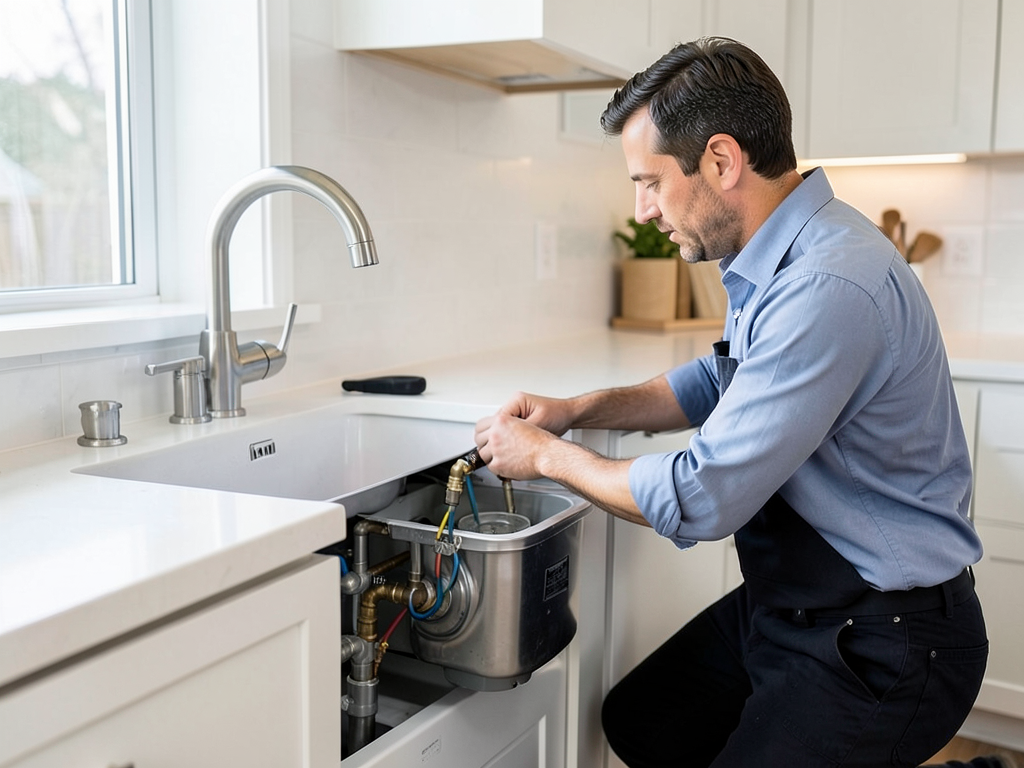
Diagram showing garbage disposal horsepower ratings from 1/3 HP to 1 HP with typical household applications and waste processing capabilities.
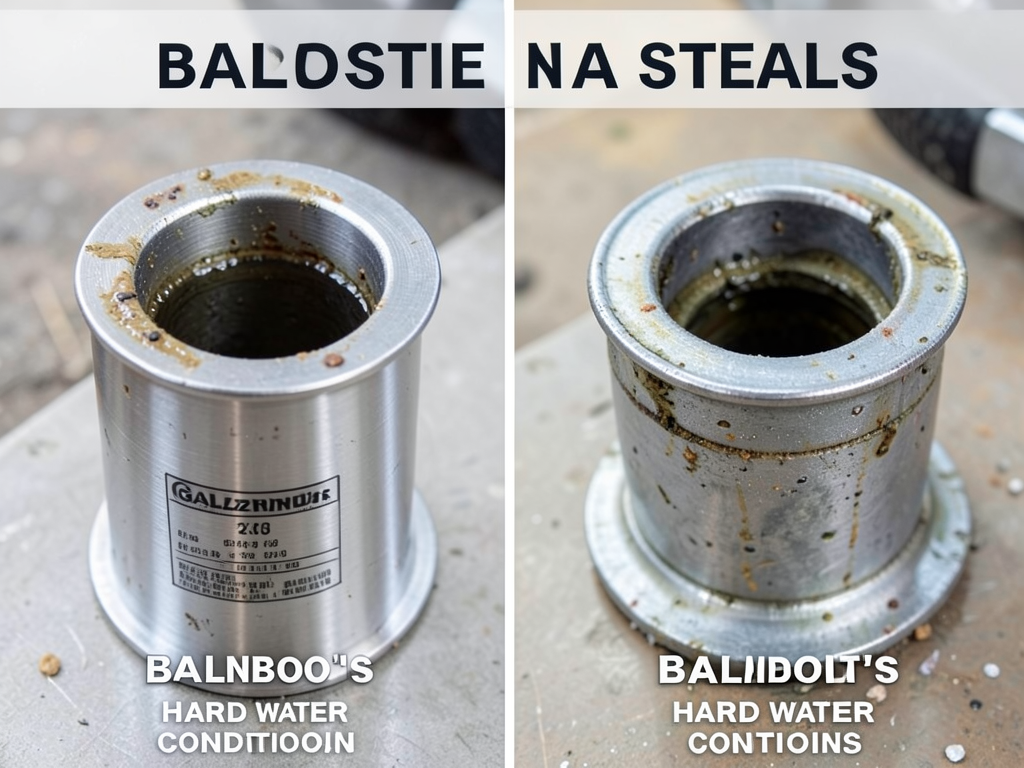
Comparison chart of grinding chamber materials showing stainless steel versus galvanized steel durability in Baltimore’s hard water conditions.
Installation process infographic detailing electrical connections, plumbing hookups, and mounting assembly steps for proper garbage disposal installation.
Frequently Asked Questions
What is the most common garbage disposal horsepower for Baltimore homes?
The 3/4 horsepower rating serves as the most common choice for Baltimore area homes, particularly in Overlea where typical household sizes and cooking habits create moderate waste processing needs. This horsepower provides adequate power for most food waste while maintaining reasonable noise levels and energy efficiency.
Can I install a more powerful disposal if my current one is too weak?
Yes, upgrading to higher horsepower is possible, but you should first assess your plumbing infrastructure. Older Baltimore homes with smaller drain pipes may experience drainage issues with high-torque disposals. Professional evaluation helps determine compatibility before upgrade to prevent costly plumbing problems. Plumbing Westminster.
How long should a garbage disposal last in Baltimore’s water conditions?
Quality garbage disposals typically last 10-12 years in Baltimore’s moderately hard water conditions. Stainless steel models resist mineral buildup better than galvanized alternatives, potentially extending lifespan by several years. Regular maintenance and proper usage habits significantly impact longevity regardless of horsepower rating.
Do I need a permit to replace my garbage disposal in Baltimore County?
Permit requirements vary by jurisdiction within Baltimore County. Simple replacements often don’t require permits, but new installations or modifications to electrical or plumbing systems typically do. Professional plumbers handle permitting requirements and ensure all work complies with local building codes.
What’s the difference between continuous feed and batch feed disposals?
Continuous feed models allow you to add waste while the unit runs, offering convenience for busy kitchens. Batch feed models require loading waste and then activating the unit, providing enhanced safety for homes with small children. Both types are available across all horsepower ratings.
How do I know if my disposal is the right size for my household?
Monitor your disposal’s performance over a typical week. Frequent jams, reset button trips, or inability to process certain foods indicate insufficient horsepower. A properly sized unit handles your normal waste volume without strain while operating quietly and efficiently during typical use periods. For more information, visit International Association of Plumbing and Mechanical Officials plumbing codes.
You may also find this helpful. Getting Rid of Those Annoying Drain Flies in Your Waverly Kitchen.
You may also find this helpful. What to Do When Your Dishwasher Wont Drain in Morrell Park.
You may also find this helpful. Natural Ways to Clean a Smelly Garbage Disposal in Armistead Gardens.
Call (443) 443-9099 today to schedule your inspection. Our Baltimore plumbing experts will assess your kitchen’s needs and recommend the perfect garbage disposal horsepower for your Overlea home. Don’t wait until your current unit fails completely – professional guidance now prevents costly mistakes and ensures years of reliable performance.
{
“@context”: “https://schema.org”,
“@type”: “BlogPosting”,
“headline”: “How to Choose the Right Horsepower for a New Garbage Disposal in your Overlea Kitchen”,
“description”: “Learn how to select the perfect garbage disposal horsepower for your Overlea kitchen. Compare 1/3 HP to 1 HP models, understand motor types, and get expert Baltimore installation advice.”,
“wordCount”: 2706,
“datePublished”: “2026-03-21T11:52:00.000Z”,
“dateModified”: “2026-03-21T11:52:00.000Z”,
“inLanguage”: “en-US”,
“mainEntityOfPage”: {
“@type”: “WebPage”,
“@id”: “https://keystoneplumbingbaltimore.com”
},
“publisher”: {
“@type”: “LocalBusiness”,
“name”: “Keystone Plumbing Baltimore”,
“url”: “https://keystoneplumbingbaltimore.com”
},
“author”: {
“@type”: “Organization”,
“name”: “Keystone Plumbing Baltimore”,
“url”: “https://keystoneplumbingbaltimore.com”
},
“image”: {
“@type”: “ImageObject”,
“url”: “https://keystoneplumbingbaltimore.com/wp-content/uploads/2026/03/how-to-choose-the-right-horsepower-for-a-new-garba-1.png”
}
}
{
“@context”: “https://schema.org”,
“@type”: “Plumber”,
“name”: “Keystone Plumbing Baltimore”,
“url”: “https://keystoneplumbingbaltimore.com”,
“address”: {
“@type”: “PostalAddress”,
“addressLocality”: “Baltimore”
},
“areaServed”: {
“@type”: “City”,
“name”: “Baltimore”
}
}
{
“@context”: “https://schema.org”,
“@type”: “FAQPage”,
“mainEntity”: [
{
“@type”: “Question”,
“name”: “What is the most common garbage disposal horsepower for Baltimore homes?”,
“acceptedAnswer”: {
“@type”: “Answer”,
“text”: “The 3/4 horsepower rating serves as the most common choice for Baltimore area homes, particularly in Overlea where typical household sizes and cooking habits create moderate waste processing needs. This horsepower provides adequate power for most food waste while maintaining reasonable noise levels and energy efficiency.”
}
},
{
“@type”: “Question”,
“name”: “Can I install a more powerful disposal if my current one is too weak?”,
“acceptedAnswer”: {
“@type”: “Answer”,
“text”: “Yes, upgrading to higher horsepower is possible, but you should first assess your plumbing infrastructure. Older Baltimore homes with smaller drain pipes may experience drainage issues with high-torque disposals. Professional evaluation helps determine compatibility before upgrade to prevent costly plumbing problems. Plumbing Westminster.”
}
},
{
“@type”: “Question”,
“name”: “How long should a garbage disposal last in Baltimore’s water conditions?”,
“acceptedAnswer”: {
“@type”: “Answer”,
“text”: “Quality garbage disposals typically last 10-12 years in Baltimore’s moderately hard water conditions. Stainless steel models resist mineral buildup better than galvanized alternatives, potentially extending lifespan by several years. Regular maintenance and proper usage habits significantly impact longevity regardless of horsepower rating.”
}
},
{
“@type”: “Question”,
“name”: “Do I need a permit to replace my garbage disposal in Baltimore County?”,
“acceptedAnswer”: {
“@type”: “Answer”,
“text”: “Permit requirements vary by jurisdiction within Baltimore County. Simple replacements often don’t require permits, but new installations or modifications to electrical or plumbing systems typically do. Professional plumbers handle permitting requirements and ensure all work complies with local building codes.”
}
},
{
“@type”: “Question”,
“name”: “What’s the difference between continuous feed and batch feed disposals?”,
“acceptedAnswer”: {
“@type”: “Answer”,
“text”: “Continuous feed models allow you to add waste while the unit runs, offering convenience for busy kitchens. Batch feed models require loading waste and then activating the unit, providing enhanced safety for homes with small children. Both types are available across all horsepower ratings.”
}
},
{
“@type”: “Question”,
“name”: “How do I know if my disposal is the right size for my household?”,
“acceptedAnswer”: {
“@type”: “Answer”,
“text”: “Monitor your disposal’s performance over a typical week. Frequent jams, reset button trips, or inability to process certain foods indicate insufficient horsepower. A properly sized unit handles your normal waste volume without strain while operating quietly and efficiently during typical use periods. For more information, visit International Association of Plumbing and Mechanical Officials plumbing codes.”
}
}
]
}
{
“@context”: “https://schema.org”,
“@type”: “BreadcrumbList”,
“itemListElement”: [
{
“@type”: “ListItem”,
“position”: 1,
“name”: “Home”,
“item”: “https://keystoneplumbingbaltimore.com”
},
{
“@type”: “ListItem”,
“position”: 2,
“name”: “Blog”,
“item”: “https://keystoneplumbingbaltimore.com/blog”
},
{
“@type”: “ListItem”,
“position”: 3,
“name”: “How to Choose the Right Horsepower for a New Garbage Disposal in your Overlea Kitchen”
}
]
}
{
“@context”: “https://schema.org”,
“@type”: “Service”,
“serviceType”: “Plumbing”,
“provider”: {
“@type”: “LocalBusiness”,
“name”: “Keystone Plumbing Baltimore”,
“url”: “https://keystoneplumbingbaltimore.com”
},
“areaServed”: {
“@type”: “City”,
“name”: “Baltimore”
},
“description”: “Learn how to select the perfect garbage disposal horsepower for your Overlea kitchen. Compare 1/3 HP to 1 HP models, understand motor types, and get expert Baltimore installation advice.”
}