
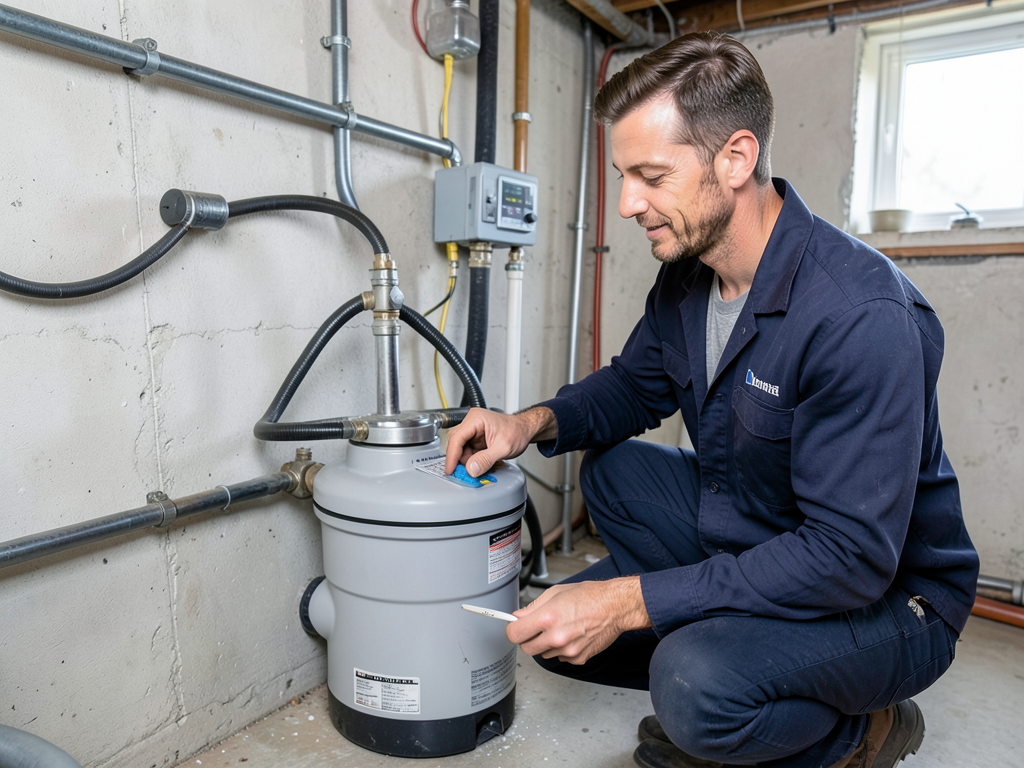
Choosing Between a Battery or Water-Powered Sump Pump Backup in Lutherville
When your primary sump pump fails during a storm the clock starts ticking. Water rises fast in Lutherville’s clay-heavy soil and without a reliable backup your basement can flood in minutes. The question isn’t whether you need a backup system—it’s which type fits your home’s unique needs. Battery backups offer independence from the grid while water-powered systems tap into your municipal supply for unlimited runtime. Both have strengths and weaknesses shaped by Lutherville’s high water table BGE’s outage patterns and the specific demands of your basement. BGE outage patterns and restoration times.
Why a Primary Sump Pump Isn’t Enough in Maryland Weather
Lutherville sits in a zone where heavy spring rains meet high groundwater levels. When storms hit your primary pump works overtime. If it fails—whether from motor burnout power loss or debris clogging the intake—water has nowhere to go but up. A backup system provides that critical second line of defense. Without it you’re gambling with thousands in potential damage from soaked drywall ruined flooring and mold growth that can start within 24-48 hours. Fast Water Heater Replacement for Homeowners in Towson and Lutherville.
Maryland’s weather patterns make this gamble riskier. Nor’easters can knock out power for days while summer thunderstorms dump inches of rain in hours. The combination of clay soil and aging municipal infrastructure in Baltimore County means water pressure on your foundation can spike suddenly. A backup system isn’t luxury—it’s essential protection for your home’s structural integrity. Baltimore County plumbing code requirements.
Battery Backup vs. Water-Powered Systems: A Side-by-Side Analysis
Both systems activate when water rises but they operate on completely different principles. Battery backups use stored DC power to run a secondary pump. Water-powered systems use municipal water pressure to create suction that removes groundwater. Understanding these differences helps you choose the right protection for your specific situation. Fixing Low Water Pressure in Your Locust Point Rowhome.
Battery Backup Systems: Pros Cons and Maintenance
Battery backup systems work independently of your home’s water supply. When the primary pump fails or power goes out the battery kicks in automatically. Most systems use sealed AGM batteries that require minimal maintenance and can run for 24-48 hours of intermittent use on a single charge.
The key advantage is independence. During a BGE outage your battery backup keeps working regardless of water pressure or supply issues. Modern systems include smart monitoring that alerts you to low battery levels or pump failures via smartphone apps. Installation typically takes 2-3 hours for a qualified plumber.
However batteries have limitations. They provide finite runtime—usually 6-12 hours of continuous pumping before needing recharge. In extended outages you’ll need a generator or risk flooding. Batteries also degrade over time typically lasting 3-5 years before requiring replacement. The initial cost runs $800-$1500 installed plus $150-$300 every few years for battery replacement.
Maintenance involves checking battery terminals for corrosion testing the system monthly by pouring water into the sump pit and replacing batteries on schedule. Some homeowners forget this step and discover their backup is dead when they need it most.
Water-Powered Backups: Reliability and Requirements
Water-powered systems use the venturi effect—water rushing through a constricted nozzle creates suction that pulls groundwater from your sump pit. When the primary pump fails a valve opens and municipal water flows through the backup unit. These systems can run indefinitely as long as water pressure remains above 40 PSI.
The main advantage is unlimited runtime. During multi-day storms or extended outages your backup keeps working without battery concerns. Water-powered systems also have fewer moving parts reducing mechanical failure risk. Installation costs range from $600-$1200 typically less than battery systems.
But there are significant requirements. You need consistent water pressure—homes with private wells or pressure-reducing valves may not qualify. Water-powered systems use 1-2 gallons of municipal water for every gallon of groundwater removed which can add $20-$50 to your water bill during heavy use. They also require a minimum 3/4-inch water supply line and proper backflow prevention to meet Baltimore County plumbing code. Plumbing College Park.
Performance varies with water pressure. At 40 PSI most units pump 750-1000 gallons per hour. At 60 PSI capacity jumps to 1200-1500 GPH. If your home has low pressure the backup may not keep pace with incoming water.
Comparison Table: Lifespan Cost and Performance
| Feature | Battery Backup | Water-Powered Backup |
|---|---|---|
| Initial Cost | $800-$1500 | $600-$1200 |
| Annual Maintenance | $150-$300 (battery replacement) | $0-$50 (water usage) |
| Runtime | 6-48 hours intermittent | Unlimited |
| Installation Time | 2-3 hours | 3-4 hours |
| Water Pressure Required | None | 40+ PSI minimum |
| Best For | Power outage protection | Extended storm protection |
Best Sump Pump Brands for Baltimore Homes (Zoeller vs Liberty vs Wayne)
Choosing the right backup system means selecting quality components. For battery backups Zoeller’s 508 Basement Sentry leads the market with AGM battery technology and smart monitoring. Liberty Pumps’ SJ10 offers excellent value with a 1000 GPH capacity at 10-foot lift. Wayne’s WSS30V provides WiFi connectivity and smartphone alerts.
Water-powered systems from Basepump deliver reliable performance. The HB1000 handles homes with 60+ PSI pressure while the RB750 works well for typical Baltimore County pressure ranges. Both meet Maryland plumbing code requirements for backflow prevention and include check valves to prevent water hammer. Plumbing Westminster.
The key is matching the system to your specific conditions. Homes in older Lutherville neighborhoods with cast iron supply lines may struggle to maintain consistent pressure for water-powered units. Newer construction with copper piping typically handles the demand without issues.
Professional Installation vs DIY: What Baltimore Homeowners Should Know
Installing a backup sump pump isn’t a weekend project. Baltimore County requires permits for all plumbing modifications and improper installation can void warranties or create code violations. A professional plumber ensures proper sizing correct discharge routing and compliance with local regulations. Professional Drain Cleaning Services to Clear Stubborn Clogs in Federal Hill.
Professional installation includes assessing your current system’s capacity calculating backup requirements based on your basement’s square footage and soil conditions and integrating the new unit with existing plumbing. Plumbers also test the complete system verify alarm functionality and provide maintenance instructions.
DIY attempts often miss critical details. Backflow prevention devices must be installed correctly to prevent contamination. Discharge pipes need proper pitch and support to prevent freezing or blockage. Electrical connections for battery systems require GFCI protection in damp locations.
The cost difference between DIY and professional installation is minimal compared to the risk of system failure. Most homeowners recover the installation cost through peace of mind alone.
Making the Right Choice for Your Lutherville Home
Your decision depends on several factors unique to your property. If you have consistent water pressure above 40 PSI and want worry-free protection during extended outages a water-powered system makes sense. If you prefer independence from municipal supply or have pressure issues battery backup offers reliable protection.. Read more about Determining if Your Reisterstown Property Needs a Septic Tank Pump-Out.
Consider your basement’s finish level. Finished basements with valuable contents justify the extra investment in a dual-system approach—both battery and water-powered backups provide maximum redundancy. Unfinished basements might get by with a single high-capacity battery system.
Think about your lifestyle too. If you travel frequently or own rental properties smart monitoring features provide valuable alerts when you’re away. Some systems integrate with home automation platforms allowing you to check status remotely or receive detailed performance reports.
Climate plays a role in Baltimore County. Our freeze-thaw cycles can affect discharge pipes so proper insulation and routing become critical. Local plumbers understand these regional challenges and can recommend solutions specific to Lutherville’s conditions.
Don’t forget about maintenance requirements. Battery systems need regular testing and eventual replacement. Water-powered units need occasional valve cleaning to prevent mineral buildup. Both benefit from annual professional inspections to catch potential issues before they become problems.
The investment in a backup system typically pays for itself the first time it prevents flooding. Considering that water damage repairs often exceed $5000-$10000 the $600-$1500 cost of protection represents smart financial planning.
Your home deserves protection that works when you need it most. Whether you choose battery or water-powered backup the key is professional installation and regular maintenance. Don’t wait for the next storm to discover your system isn’t ready.
Frequently Asked Questions
How long do sump pump backup batteries last?
AGM batteries typically last 3-5 years with proper maintenance. Factors affecting lifespan include temperature depth of discharge cycles and quality of charging system. Smart chargers that prevent overcharging can extend battery life significantly.
Can I install a backup system myself?
DIY installation is possible but not recommended. Baltimore County requires permits and improper installation can void warranties or create code violations. Professional installation ensures proper sizing correct discharge routing and compliance with local regulations.
What happens if my water-powered backup runs during a water main break?
Water-powered systems require consistent pressure to function. During a water main break or severe pressure drop the backup will stop working. This is why many homeowners choose dual systems for maximum protection.
How much does a backup sump pump increase my home’s value?
While backup systems don’t dramatically increase resale value they eliminate a major red flag for buyers concerned about flooding. Many real estate agents consider them essential for homes in flood-prone areas.
Should I get both battery and water-powered backups?
Dual systems provide maximum redundancy. If one fails or conditions prevent operation the other continues working. This approach costs more upfront but offers the best protection for valuable properties or finished basements.
Don’t let the next storm catch you unprepared. Call (443) 443-9099 today to schedule your sump pump backup consultation. Our Baltimore County-licensed plumbers will assess your home’s specific needs and recommend the right protection for your situation.
Pick up the phone and call (443) 443-9099 before the next storm hits. We’ll help you choose between battery and water-powered backup systems handle all permitting requirements and ensure your home stays dry when it matters most. For more information, visit National Association of Home Inspectors sump pump maintenance guidelines.
You may also find this helpful. Finding the Hidden Reason Behind Your Rising Baltimore City Water Bill.
{
“@context”: “https://schema.org”,
“@type”: “BlogPosting”,
“headline”: “Choosing Between a Battery or Water-Powered Sump Pump Backup in Lutherville”,
“description”: “Compare battery vs water-powered sump pump backups for Lutherville homes. Learn local codes, soil conditions, and installation requirements to protect your basement.”,
“wordCount”: 1658,
“datePublished”: “2026-03-04T13:33:00.000Z”,
“dateModified”: “2026-03-04T13:33:00.000Z”,
“inLanguage”: “en-US”,
“mainEntityOfPage”: {
“@type”: “WebPage”,
“@id”: “https://keystoneplumbingbaltimore.com”
},
“publisher”: {
“@type”: “LocalBusiness”,
“name”: “Keystone Plumbing Baltimore”,
“url”: “https://keystoneplumbingbaltimore.com”
},
“author”: {
“@type”: “Organization”,
“name”: “Keystone Plumbing Baltimore”,
“url”: “https://keystoneplumbingbaltimore.com”
},
“image”: {
“@type”: “ImageObject”,
“url”: “https://keystoneplumbingbaltimore.com/wp-content/uploads/2026/03/choosing-between-a-battery-or-water-powered-sump-p-1.png”
}
}
{
“@context”: “https://schema.org”,
“@type”: “Plumber”,
“name”: “Keystone Plumbing Baltimore”,
“url”: “https://keystoneplumbingbaltimore.com”,
“address”: {
“@type”: “PostalAddress”,
“addressLocality”: “Baltimore”
},
“areaServed”: {
“@type”: “City”,
“name”: “Baltimore”
}
}
{
“@context”: “https://schema.org”,
“@type”: “FAQPage”,
“mainEntity”: [
{
“@type”: “Question”,
“name”: “How long do sump pump backup batteries last?”,
“acceptedAnswer”: {
“@type”: “Answer”,
“text”: “AGM batteries typically last 3-5 years with proper maintenance. Factors affecting lifespan include temperature depth of discharge cycles and quality of charging system. Smart chargers that prevent overcharging can extend battery life significantly.”
}
},
{
“@type”: “Question”,
“name”: “Can I install a backup system myself?”,
“acceptedAnswer”: {
“@type”: “Answer”,
“text”: “DIY installation is possible but not recommended. Baltimore County requires permits and improper installation can void warranties or create code violations. Professional installation ensures proper sizing correct discharge routing and compliance with local regulations.”
}
},
{
“@type”: “Question”,
“name”: “What happens if my water-powered backup runs during a water main break?”,
“acceptedAnswer”: {
“@type”: “Answer”,
“text”: “Water-powered systems require consistent pressure to function. During a water main break or severe pressure drop the backup will stop working. This is why many homeowners choose dual systems for maximum protection.”
}
},
{
“@type”: “Question”,
“name”: “How much does a backup sump pump increase my home’s value?”,
“acceptedAnswer”: {
“@type”: “Answer”,
“text”: “While backup systems don’t dramatically increase resale value they eliminate a major red flag for buyers concerned about flooding. Many real estate agents consider them essential for homes in flood-prone areas.”
}
},
{
“@type”: “Question”,
“name”: “Should I get both battery and water-powered backups?”,
“acceptedAnswer”: {
“@type”: “Answer”,
“text”: “Dual systems provide maximum redundancy. If one fails or conditions prevent operation the other continues working. This approach costs more upfront but offers the best protection for valuable properties or finished basements.”
}
}
]
}
{
“@context”: “https://schema.org”,
“@type”: “BreadcrumbList”,
“itemListElement”: [
{
“@type”: “ListItem”,
“position”: 1,
“name”: “Home”,
“item”: “https://keystoneplumbingbaltimore.com”
},
{
“@type”: “ListItem”,
“position”: 2,
“name”: “Blog”,
“item”: “https://keystoneplumbingbaltimore.com/blog”
},
{
“@type”: “ListItem”,
“position”: 3,
“name”: “Choosing Between a Battery or Water-Powered Sump Pump Backup in Lutherville”
}
]
}
{
“@context”: “https://schema.org”,
“@type”: “Service”,
“serviceType”: “Plumbing”,
“provider”: {
“@type”: “LocalBusiness”,
“name”: “Keystone Plumbing Baltimore”,
“url”: “https://keystoneplumbingbaltimore.com”
},
“areaServed”: {
“@type”: “City”,
“name”: “Baltimore”
},
“description”: “Compare battery vs water-powered sump pump backups for Lutherville homes. Learn local codes, soil conditions, and installation requirements to protect your basement.”
}