
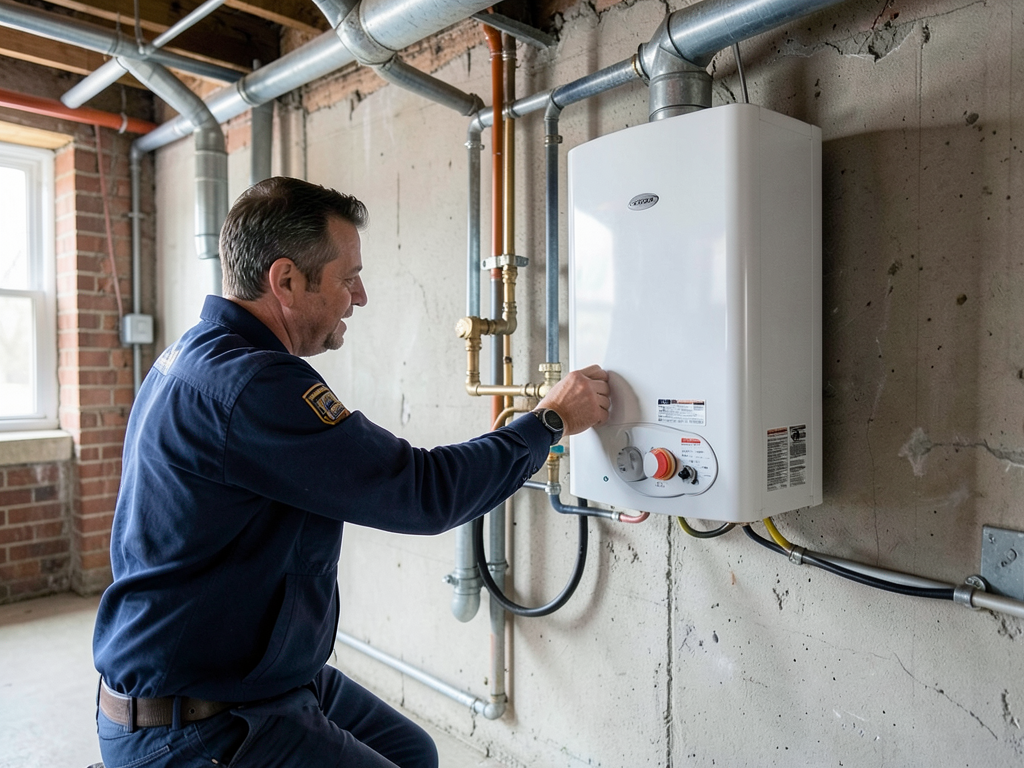
Professional Tankless Water Heater Installation for Homes in Charles Village
Charles Village homeowners are upgrading to tankless water heaters for endless hot water and space savings. These compact units eliminate bulky storage tanks while cutting energy costs by up to 40% compared to traditional systems. With Baltimore’s hard water and historic rowhome layouts, professional installation ensures proper sizing, venting, and code compliance. Fast Water Heater Replacement for Homeowners in Towson and Lutherville.
Why Charles Village Homes Benefit from Tankless Technology
Charles Village’s historic rowhomes often feature narrow basements and limited mechanical space. Tankless units mount on walls and free up valuable floor area. The neighborhood’s aging plumbing infrastructure benefits from modern, corrosion-resistant heat exchangers that resist Baltimore’s mineral-rich water. Fixing Low Water Pressure in Your Locust Point Rowhome.
Local water pressure fluctuations in the 21218 zip code area can stress traditional tanks. Tankless systems activate only when needed, reducing wear from constant heating cycles. This on-demand operation means no more cold showers during morning rush hours. Emergency Water Heater Repair.
Professional Installation Process and Code Requirements
Maryland plumbing code requires permits for water heater replacements. Baltimore City mandates specific venting clearances for gas-fired units, especially in rowhome party-wall configurations. Professional installers handle permit acquisition and ensure compliance with local fire codes. Plumbing College Park.
Gas line sizing proves critical in Charles Village’s older homes. Many properties need 3/4-inch gas lines to support tankless BTU demands. Technicians use manometers to verify proper pressure before installation.
Condensing units require stainless steel venting to handle acidic condensate. Non-condensing models use standard PVC but need specific slope angles for proper drainage. Both types require dedicated electrical circuits with GFCI protection per NEC Article 422.31.
Cost Factors and Energy Savings Analysis
Tankless installation costs in Charles Village typically range from $3,500 to $6,500. Factors affecting price include gas line upgrades, venting modifications, and unit capacity. Higher-end condensing models offer greater efficiency but require more complex condensate drainage.
Annual energy savings of $100-$200 offset installation costs over 5-7 years. BGE offers rebates up to $300 for qualifying Energy Star units. Federal tax credits through 2026 provide additional savings for high-efficiency models.
Hard water in Baltimore shortens heat exchanger life without proper treatment. Scale buildup reduces efficiency by 20-30% within three years. Professional installations include water hardness testing and recommendations for descaling systems.
Comparing Tankless Brands and Features
| Brand | Flow Rate (GPM) | Efficiency | Best For |
|---|---|---|---|
| Navien | 11-13 | 0.98 | Larger homes |
| Rinnai | 9-11 | 0.94 | Medium homes |
| Rheem | 8-10 | 0.92 | Small homes |
Navien’s dual heat exchanger design handles Baltimore’s cold groundwater temperatures better than single-exchanger units. Rinnai offers Wi-Fi controls for remote monitoring. Rheem provides the most budget-friendly option for smaller households.. Read more about How to Decide if a Whole House Water Softener is Right for Your Ruxton Residence.
Maintenance Requirements for Baltimore’s Water Conditions
Baltimore’s water hardness averages 10-12 grains per gallon. This mineral content requires annual descaling to maintain efficiency. Professional maintenance includes heat exchanger flushing, burner inspection, and venting checks.
Condensate neutralization systems protect plumbing drains from acidic discharge. Baltimore County code requires neutralization for units producing over 2 gallons daily. Systems use calcite media to raise pH before drainage. Plumbing Westminster.
Air filter cleaning every six months prevents dust buildup in the combustion chamber. Gas pressure testing ensures safe operation as supply lines age. These checks prevent the most common failure points in tankless systems.
Installation Timeline and What to Expect
- Initial Assessment
Technician evaluates gas lines, electrical capacity, and venting options. Water hardness testing determines if treatment systems are needed.
- Permit Acquisition
Baltimore City plumbing permits take 2-3 business days. Professional installers handle all paperwork and inspections.
- Old Unit Removal
Proper disposal of existing tank includes draining, disconnecting utilities, and recycling metal components.
- Gas Line Modifications
Upgrading from 1/2-inch to 3/4-inch lines requires cutting drywall and installing new black iron pipe.
- Venting Installation
Stainless steel venting runs through roof or sidewall. Clearance from windows and doors meets Baltimore code.
- Final Connections
Water lines, gas supply, and electrical connections complete the installation. Pressure testing verifies leak-free operation.
- Testing and Training
System startup includes temperature calibration and flow rate verification. Homeowners learn basic maintenance procedures.
Common Installation Challenges in Historic Homes
Charles Village’s 1920s-era homes often have undersized gas lines. Original 1/2-inch lines cannot support modern tankless units. Upgrading requires wall penetration and new pipe routing through finished spaces.
Historic district regulations may restrict exterior venting modifications. Wall-mounted units need creative venting solutions to maintain architectural integrity. Some installations require roof penetration with custom flashing.
Floor drain proximity affects condensate disposal options. Units without nearby drains need condensate pumps to reach existing plumbing. These pumps add $200-$400 to installation costs.
Energy Efficiency and Environmental Impact
Tankless units achieve 95-98% thermal efficiency compared to 60-70% for storage tanks. This efficiency reduces carbon emissions by approximately 1,500 pounds annually per household. Baltimore’s BGE grid continues adding renewable sources, making electric models increasingly viable.
Low-NOx burners meet Maryland’s strict emission standards. Condensing technology captures waste heat, further improving efficiency. These features help homes qualify for green building certifications.
Water conservation benefits extend beyond energy savings. Tankless units eliminate standby heat loss and reduce overall water waste from waiting for hot water to arrive.
Frequently Asked Questions
How long do tankless water heaters last?
With proper maintenance, tankless units last 15-20 years. Baltimore’s hard water may reduce lifespan to 12-15 years without descaling systems.
Can I install a tankless myself?
Maryland law requires licensed plumbers for water heater installations. DIY attempts void warranties and create safety hazards with gas lines and venting.
Do tankless units work during power outages?
Gas-fired units need electricity for controls and ignition. Battery backup systems provide 24-48 hours of operation during outages.
What size unit do I need?
Most Charles Village homes need 9-11 GPM units. Larger homes with multiple bathrooms require 13+ GPM capacity. Professional sizing considers simultaneous fixture use.
Are tankless units worth the cost?
Energy savings and space benefits justify costs for most homeowners. The 5-7 year payback period and 15+ year lifespan provide strong return on investment.
Call (443) 443-9099 Today for Professional Tankless Installation
Don’t wait for your old tank to fail. Keystone Plumbing Baltimore provides expert tankless water heater installation throughout Charles Village and surrounding areas. Our licensed technicians handle everything from permit acquisition to final testing.
Call (443) 443-9099 now to schedule your free consultation. We’ll assess your home’s needs, explain your options, and provide upfront pricing with no hidden fees. Same-day service available for urgent replacements.
Pick up the phone and call (443) 443-9099 before the next cold shower catches you off guard. Our team understands Charles Village’s unique housing stock and delivers installations that last. For more information, visit EPA WaterSense. For more information, visit Department of Energy water heating guide.
{
“@context”: “https://schema.org”,
“@type”: “BlogPosting”,
“headline”: “Professional Tankless Water Heater Installation for Homes in Charles Village”,
“description”: “Expert tankless water heater installation in Charles Village. Save space and energy with professional service from Keystone Plumbing Baltimore. Call (443) 443-9099 today.”,
“wordCount”: 1115,
“datePublished”: “2026-02-21T08:44:00.000Z”,
“dateModified”: “2026-02-21T08:44:00.000Z”,
“inLanguage”: “en-US”,
“mainEntityOfPage”: {
“@type”: “WebPage”,
“@id”: “https://keystoneplumbingbaltimore.com”
},
“publisher”: {
“@type”: “LocalBusiness”,
“name”: “Keystone Plumbing Baltimore”,
“url”: “https://keystoneplumbingbaltimore.com”
},
“author”: {
“@type”: “Organization”,
“name”: “Keystone Plumbing Baltimore”,
“url”: “https://keystoneplumbingbaltimore.com”
},
“image”: {
“@type”: “ImageObject”,
“url”: “https://keystoneplumbingbaltimore.com/wp-content/uploads/2026/03/professional-tankless-water-heater-installation-fo-1.png”
}
}
{
“@context”: “https://schema.org”,
“@type”: “Plumber”,
“name”: “Keystone Plumbing Baltimore”,
“url”: “https://keystoneplumbingbaltimore.com”,
“address”: {
“@type”: “PostalAddress”,
“addressLocality”: “Baltimore”
},
“areaServed”: {
“@type”: “City”,
“name”: “Baltimore”
}
}
{
“@context”: “https://schema.org”,
“@type”: “FAQPage”,
“mainEntity”: [
{
“@type”: “Question”,
“name”: “How long do tankless water heaters last?”,
“acceptedAnswer”: {
“@type”: “Answer”,
“text”: “With proper maintenance, tankless units last 15-20 years. Baltimore’s hard water may reduce lifespan to 12-15 years without descaling systems.”
}
},
{
“@type”: “Question”,
“name”: “Can I install a tankless myself?”,
“acceptedAnswer”: {
“@type”: “Answer”,
“text”: “Maryland law requires licensed plumbers for water heater installations. DIY attempts void warranties and create safety hazards with gas lines and venting.”
}
},
{
“@type”: “Question”,
“name”: “Do tankless units work during power outages?”,
“acceptedAnswer”: {
“@type”: “Answer”,
“text”: “Gas-fired units need electricity for controls and ignition. Battery backup systems provide 24-48 hours of operation during outages.”
}
},
{
“@type”: “Question”,
“name”: “What size unit do I need?”,
“acceptedAnswer”: {
“@type”: “Answer”,
“text”: “Most Charles Village homes need 9-11 GPM units. Larger homes with multiple bathrooms require 13+ GPM capacity. Professional sizing considers simultaneous fixture use.”
}
},
{
“@type”: “Question”,
“name”: “Are tankless units worth the cost?”,
“acceptedAnswer”: {
“@type”: “Answer”,
“text”: “Energy savings and space benefits justify costs for most homeowners. The 5-7 year payback period and 15+ year lifespan provide strong return on investment.”
}
}
]
}
{
“@context”: “https://schema.org”,
“@type”: “HowTo”,
“name”: “Tankless Water Heater Installation Process”,
“step”: [
{
“@type”: “HowToStep”,
“position”: 1,
“name”: “Initial Assessment”,
“text”: “Technician evaluates gas lines, electrical capacity, and venting options. Water hardness testing determines if treatment systems are needed.”
},
{
“@type”: “HowToStep”,
“position”: 2,
“name”: “Permit Acquisition”,
“text”: “Baltimore City plumbing permits take 2-3 business days. Professional installers handle all paperwork and inspections.”
},
{
“@type”: “HowToStep”,
“position”: 3,
“name”: “Old Unit Removal”,
“text”: “Proper disposal of existing tank includes draining, disconnecting utilities, and recycling metal components.”
},
{
“@type”: “HowToStep”,
“position”: 4,
“name”: “Gas Line Modifications”,
“text”: “Upgrading from 1/2-inch to 3/4-inch lines requires cutting drywall and installing new black iron pipe.”
},
{
“@type”: “HowToStep”,
“position”: 5,
“name”: “Venting Installation”,
“text”: “Stainless steel venting runs through roof or sidewall. Clearance from windows and doors meets Baltimore code.”
},
{
“@type”: “HowToStep”,
“position”: 6,
“name”: “Final Connections”,
“text”: “Water lines, gas supply, and electrical connections complete the installation. Pressure testing verifies leak-free operation.”
},
{
“@type”: “HowToStep”,
“position”: 7,
“name”: “Testing and Training”,
“text”: “System startup includes temperature calibration and flow rate verification. Homeowners learn basic maintenance procedures.”
}
],
“image”: “https://keystoneplumbingbaltimore.com/wp-content/uploads/2026/03/professional-tankless-water-heater-installation-fo-1.png”
}
{
“@context”: “https://schema.org”,
“@type”: “BreadcrumbList”,
“itemListElement”: [
{
“@type”: “ListItem”,
“position”: 1,
“name”: “Home”,
“item”: “https://keystoneplumbingbaltimore.com”
},
{
“@type”: “ListItem”,
“position”: 2,
“name”: “Blog”,
“item”: “https://keystoneplumbingbaltimore.com/blog”
},
{
“@type”: “ListItem”,
“position”: 3,
“name”: “Professional Tankless Water Heater Installation for Homes in Charles Village”
}
]
}
{
“@context”: “https://schema.org”,
“@type”: “Service”,
“serviceType”: “Plumbing”,
“provider”: {
“@type”: “LocalBusiness”,
“name”: “Keystone Plumbing Baltimore”,
“url”: “https://keystoneplumbingbaltimore.com”
},
“areaServed”: {
“@type”: “City”,
“name”: “Baltimore”
},
“description”: “Expert tankless water heater installation in Charles Village. Save space and energy with professional service from Keystone Plumbing Baltimore. Call (443) 443-9099 today.”
}