
Residents in the historic areas of Baltimore live in some of the most significant properties in Maryland. The grand Victorian and Beaux-Arts rowhomes located near the Washington Monument require a specialized approach for plumbing maintenance. Many of these properties rely on copper piping systems that reached the end of their functional lifespan by 2026. Copper was once the standard for durability. Several decades of mineral heavy city water and natural oxidation have left these systems vulnerable to failure. Upgrading these systems requires a balance between modern efficiency and the preservation of historic plaster and ornate molding.
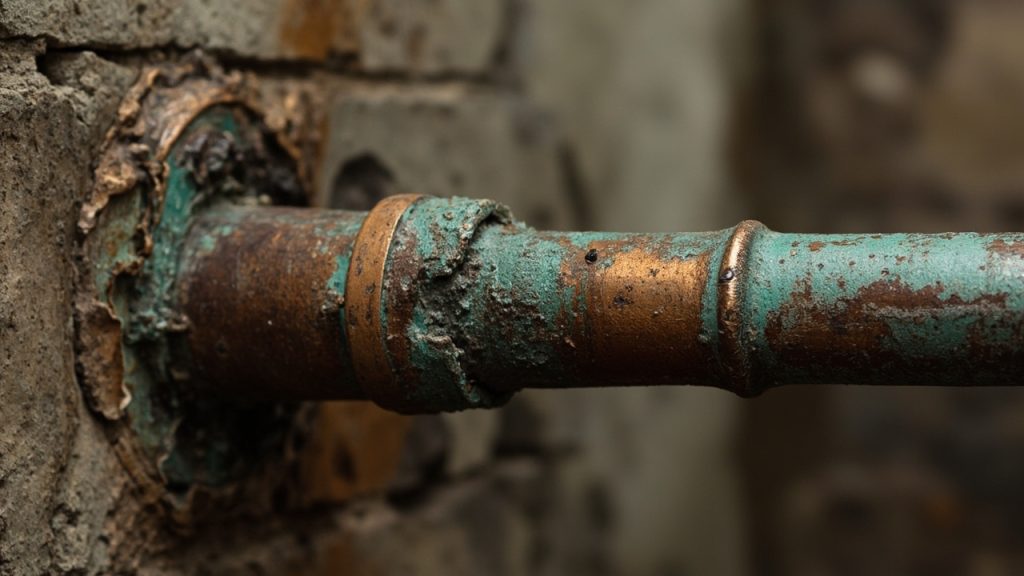
Many homeowners in the 21201 and 21202 zip codes deal with recurring pinhole leaks. These tiny failures often signal a larger systemic issue known as pitting corrosion. In Baltimore, the chemistry of the municipal water supply interacts with older copper alloys. This process thins the pipe walls from the inside out. If you notice green oxidation on exposed pipes in your basement, your historic copper system is likely failing. You might also see a drop in water pressure. This situation does not improve with time. Waiting for a major burst leads to expensive damage to original hardwood floors and hand-painted ceilings. Understanding what every Mount Vernon homeowner should know about upgrading historic copper pipes begins with recognizing these early warning signs and the specific environmental factors unique to our city.
The Impact of Baltimore Clay Soil on Water Service Lines
The geological composition of the Mount Vernon neighborhood presents a specific challenge for underground plumbing. Baltimore sits on a transition zone where the Piedmont plateau meets the Atlantic coastal plain. This results in soil with high concentrations of Christiana and Beltsville clay. These heavy clay soils are expansive. They swell when saturated with rain and shrink during dry periods. This constant movement exerts significant mechanical stress on rigid copper service lines that connect your home to the city main under the street.
When clay soil shifts, it often creates shear points at the foundation wall. Older copper pipes lack the flexibility to absorb this movement. Over time, the stress leads to hairline fractures or total pipe separation. In 2026, we see an increase in service line failures for homes where the original copper has thinned due to internal corrosion. The combination of external soil pressure and internal thinning creates a high risk of sudden water loss. You should monitor your front yard for soft spots or unexplained dampness. These are indicators that the clay soil has finally compromised your aging copper service line.
Replacement of these lines now involves materials with higher ductility. Modern Type K thick-walled copper or High-Density Polyethylene are the current standards for 2026. These materials withstand the expansion and contraction cycles of Baltimore clay without cracking. If your home still uses the original service line, the shifting soil is a primary factor in your long-term plumbing health. A professional assessment can determine if the soil movement has already caused structural deformation in your underground pipes.
Current 2026 Baltimore DHCD Permit Requirements and Fees
Modernizing a plumbing system in a historic district requires strict adherence to municipal codes. The Baltimore City Department of Housing and Community Development or DHCD manages all plumbing permits through their office at 417 East Fayette Street. In 2026, the city uses a streamlined ePermits portal for all residential applications. You must secure a plumbing permit before starting any project that involves replacing more than five feet of piping or changing the layout of your system.
The current 2026 fee structure for a residential plumbing permit in Mount Vernon includes a base application fee of 125 dollars. Additional costs are calculated based on the number of fixtures and the scope of the work. For a standard three-story rowhome repipe, you should expect to pay approximately 10 dollars per fixture. This includes sinks, toilets, tubs, and floor drains. A typical modernization project for a single-family dwelling usually results in total permit fees ranging from 250 to 450 dollars. These fees support the inspection process which ensures the work meets the 2026 Maryland State Plumbing Code.
The timeline for permit approval has seen improvements in 2026. For residential projects that do not require structural changes, the DHCD usually issues permits within five to seven business days. If your property is located within a designated CHAP historic district, you might require an additional review if the work affects the exterior of the building. This can add two weeks to the preparation phase. Your plumbing contractor should handle the submission of technical drawings and the scheduling of the rough-in and final inspections.
Identifying Copper Degradation in Older Rowhomes
The first sign of trouble often appears as a small damp spot on a plaster wall. Historic lath and plaster can absorb a significant amount of moisture before showing a stain. By the time you see a mark near your crown molding, the copper pipe behind it has likely been weeping for weeks. Experts in historic restoration look for specific indicators of pipe fatigue. You should inspect any visible piping for white crusty deposits. Look for blue-green staining around the joints. These marks show that the solder or the pipe wall itself has become porous.
Current 2026 plumbing standards suggest that copper installed more than fifty years ago is now in a high-risk category. The thin-walled copper used in previous decades is particularly susceptible to the turbulent flow of modern high-efficiency appliances. When you install a high-recovery water heater or a multi-jet shower system, the increased demand can trigger failures in weakened sections. Understanding the relationship between your appliances and your vintage pipes helps you avoid a pipe burst that could flood your property.
Pitting corrosion is often concentrated in horizontal runs where water sits for longer periods. In local townhouses, these pipes often run beneath the floorboards of the second and third stories. A failure here is problematic because it affects multiple levels of the home. Replacing these sections with Mueller Streamline copper ensures a thicker wall that resists the aggressive nature of treated city water. This is a proactive step that protects the architectural integrity of your home for the next several decades.
The Impact of Baltimore Water Chemistry on Historic Copper
Baltimore City water travels through miles of aging municipal infrastructure before reaching your home. The Department of Public Works maintains safety standards, but the water chemistry can vary. Slight fluctuations in pH levels or the presence of dissolved oxygen accelerate the degradation of copper. In homes located near North Charles Street or Cathedral Street, we often see localized corrosion where the service line enters the building. This is frequently due to electrical grounding issues. The home electrical system uses the water pipe as a ground. This leads to electrolysis that eats away at the metal. A professional inspection in 2026 can identify if your grounding system is destroying your pipes from the outside in.
The presence of chloramines in the water supply also plays a role in pipe thinning. While these chemicals keep the water safe to drink, they are harsh on older metal alloys. Over time, the internal surface of the copper develops a rough texture. This creates turbulence which further thins the pipe wall. This cycle continues until a pinhole forms. Upgrading to modern materials like Uponor PEX-a eliminates this concern because the polymer is immune to the corrosive effects of chloramines and varying pH levels.
Modern Material Options for Historic Repiping Projects
When it comes to replacing copper, homeowners have several choices. Each material has specific benefits regarding installation difficulty and long-term reliability. In the current 2026 market, many residents opt for Uponor PEX-a because of its flexibility. This material allows plumbers to fish lines through narrow chases and behind thick masonry walls. Plumbers do not need to tear down large sections of historic plaster. This is a massive advantage in neighborhoods like Bolton Hill or Seton Hill where preserving the interior aesthetic is paramount.
Some preservationists still prefer modern Mueller Streamline Type L thick-walled copper for its antimicrobial properties and traditional feel. If you choose copper, ensure your contractor uses lead-free solder. You should also consider the installation of a water conditioning system to protect the new metal from the aggressive local water. Below is a comparison of the most common materials used in local historic repiping projects.
| Material Type | Average Lifespan | Installation Impact | Primary Brand |
|---|---|---|---|
| Type L Copper | 50 plus Years | High impact on walls | Mueller Streamline |
| PEX-a Tubing | 40 to 50 Years | Low impact on walls | Uponor ProPEX |
| CPVC Plastic | 25 to 40 Years | Moderate impact | FlowGuard Gold |
| Stainless Steel | 80 plus Years | Very High impact | Viega Sanpress |
Using Uponor PEX-a provides a quieter plumbing system. The expansion and contraction of metal pipes often cause clicking or knocking sounds in the walls of old rowhomes. PEX-a absorbs these movements. It also resists scale buildup. This ensures that your water pressure remains consistent for the life of the system. For homeowners who want the absolute best in durability, Type L copper from Mueller Streamline remains a choice that matches the historic character of a grand estate.
Advanced Trenchless Technology for Service Line Replacement
Current 2026 regulations focus heavily on the removal of lead service lines. If your home still has an original lead pipe connecting you to the city main, you must address this during any major plumbing upgrade. Replacing these lines often involves modern trenchless technology to avoid destroying your front steps or sidewalk. This process allows the installation of a new copper or HDPE service line without digging a continuous trench through your landscaping.
Static pipe bursting is a primary method used in Baltimore for 2026. This involves pulling a conical bursting head through the existing lead or copper service line. As a hydraulic pulling unit moves the head, it fractures the old pipe and pushes the fragments into the surrounding soil. Simultaneously, it pulls a new, seamless High-Density Polyethylene pipe into place. This method is effective for replacing lines that run under marble steps or mature trees common in the neighborhood.
Cured-In-Place Pipe or CIPP is another option for larger diameter lines. This involves inserting a resin-saturated felt tube into the existing pipe. The installer then inflates the tube and uses heat or UV light to cure the resin. This creates a new, jointless pipe within the old one. CIPP is particularly useful for residents who want to avoid any excavation on their property. Horizontal directional drilling may also be used to create a new path for a service line when the original path is obstructed by other utilities.
Navigating CHAP Regulations and Baltimore Building Codes
The Commission for Historical and Architectural Preservation oversees many properties in the area. Plumbing is largely an interior concern, but work that affects the exterior appearance must comply with specific guidelines. For example, if your repiping project requires a new exterior vent stack, you must ensure the materials and placement meet local preservation standards. Working with a plumber who understands these nuances prevents delays and potential fines from the city. Most interior repiping does not require CHAP approval, but it does require a permit from the Baltimore City Department of Housing and Community Development.
The responsibility for the portion of the service line on private property remains with the homeowner. The Baltimore City Department of Public Works has active programs to help identify these lines. Ensuring your project complies with current 2026 safety codes is essential for future property sales. Buyers in the current market prioritize mechanical reliability and code compliance above many other factors. A professional team will handle the permit process and ensure all inspections are completed by the city authorities.
Practical Steps for a Whole Home Repipe
A full repipe is a significant undertaking that requires careful planning. Many local rowhomes feature shared walls and vertical plumbing stacks. The process often starts at the highest point of the house and works downward. This ensures that new lines have proper support. It also ensures that drainage systems are correctly vented. Homeowners should expect a specific sequence of events during a professional plumbing modernization project.
- A comprehensive site assessment to identify load-bearing walls and historic finishes.
- Protection of floors and furniture using heavy-duty plastic barriers and floor runners.
- Strategic creation of small access points in closets or inconspicuous wall areas.
- Installation of a central manifold system for better pressure control throughout the home.
- Pressure testing the entire system at high levels before closing any wall cavities.
- Professional restoration of any plaster or trim that the crew disturbed during the work.
The timeline for these projects varies based on the size of the home. A typical four-story townhouse can take between seven and ten business days for a complete water line replacement. If the project also includes the main waste lines, the timeframe will increase. Planning for this work during a period of low occupancy is often the most efficient approach. Some homeowners choose to coordinate repiping with other renovations to save on total labor costs.
| Project Phase | Typical Duration | Key Technical Goal |
|---|---|---|
| Preparation and Layout | 1 Day | Locate hidden pipe chases |
| Removal of Old Copper | 2 Days | Clear space for new lines |
| New Pipe Installation | 3 to 5 Days | Secure lines with Uponor fittings |
| Testing and Inspection | 1 Day | Pass city pressure standards |
| Wall and Trim Repair | 2 to 3 Days | Match original plaster texture |
Addressing the Drainage Side of Historic Plumbing
While much focus stays on supply lines, the drainage systems in Baltimore are equally prone to failure. Many homes still have original cast iron soil stacks. These pipes can rust from the inside out. This leads to slow leaks that are difficult to detect behind walls. Vertical stacks often face blockages from decades of scale buildup. When upgrading your copper supply lines, it is the best time to inspect the condition of your main waste and vent lines. Modern PVC or new cast iron replacements offer much better flow characteristics.
If you decide to keep your original cast iron stacks to preserve the quiet operation of the home, professional hydro-jetting can remove years of buildup. If the metal has thinned significantly, replacement is the only permanent solution. For those with basements prone to dampness, integrating these upgrades with professional sump pump repair ensures that the lowest levels of your historic home remain protected from groundwater intrusion. Modernizing the drainage side completes the protection of your property investment.
Many local basements are finished or used for storage of valuable items. A failure in the main waste line can cause a backup that ruins these spaces. By addressing the drainage and the supply lines at the same time, you ensure that the entire plumbing ecosystem of your home is sound. This is particularly important for homes with original masonry that can be damaged by the high humidity caused by persistent slow leaks.
Protecting Your Investment and Preventing Water Damage
Investing in new plumbing is one of the most effective ways to protect the equity in your property. Water damage is a leading cause of structural issues in historic Baltimore homes. A single failed pipe can compromise the integrity of the brickwork. It can also lead to mold issues in the basement. Modernizing your pipes often results in better water quality and more consistent temperature control. When you remove old copper with internal corrosion, you also remove the metallic taste and odors associated with aging plumbing.
If you are considering other upgrades, such as a water heater replacement, doing so in conjunction with a repipe saves on labor costs. New heat pump water heaters or tankless units require specific pipe sizes. These are easier to install when the walls are already accessible. This approach ensures your entire system is balanced. It prepares your home for the demands of 2026 and beyond. A modern plumbing system also increases the resale value of your home, as buyers in the Baltimore market prioritize mechanical reliability in historic buildings.
The key to a successful historic plumbing project lies in the details. You need a team that respects the history of the building while implementing the latest engineering standards. From the narrow alleyways to the grand entrances of Monument Street, every home has a story. Maintaining that story requires modern infrastructure that stays out of sight while performing flawlessly. If you have noticed signs of copper pipe fatigue, taking action now prevents a small drip from becoming a major restoration project.
Keep your historic home safe and functional by addressing aging pipes before they fail. Contact a local expert who understands the unique plumbing challenges of Baltimore historic districts. Our team specializes in working with the specific architectural constraints of regional rowhomes to provide lasting solutions.