
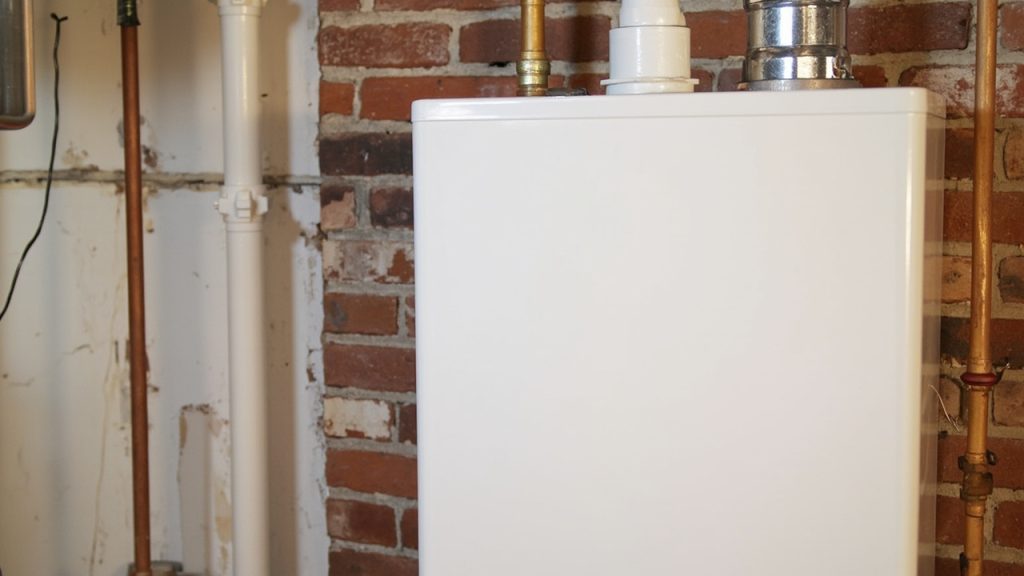
Living in a Federal Hill rowhome requires you to maximize every square foot of your property. When you walk through your front door near the historic Cross Street Market, you likely appreciate the efficient layout of your urban space. That same efficiency often vanishes when you step into a cramped Baltimore basement. Traditional tank water heaters occupy a massive footprint in these narrow historic structures. A standard 50 gallon tank consumes approximately 10 square feet of usable floor area once you account for the required safety clearances. Switching to a high-efficiency tankless water heater changes the physical dimensions of your floor plan. These units mount directly to the wall and eliminate the need for a large floor-standing reservoir. You can use that recovered space for additional storage or a more functional laundry area. If you feel frustrated by the giant metal cylinder in your basement, the transition to a wall-mounted system offers the most logical path forward in 2026.
Modern plumbing technology in 2026 solves many of the performance issues associated with older on-demand systems. The incoming water temperature from the Baltimore city mains drops significantly during the colder months. Older tankless units often struggled to process that freezing intake efficiently. Today, high-efficiency condensing units manage these temperature swings with precision. You receive a continuous supply of hot water even when the Patapsco River freezes over in mid-winter. This reliability supports the vertical living style common in Federal Hill neighborhoods. If you have a primary suite on the 3rd floor and a guest bathroom on the 2nd floor, you need a system that maintains consistent pressure. A tankless unit ensures your shower temperature remains stable while someone runs the dishwasher in the kitchen. It provides a level of comfort that old-fashioned storage tanks cannot match in a multi-story environment.
Comparing traditional tanks and tankless systems for Baltimore homes
The choice between a traditional tank and a tankless unit involves assessing long-term value and immediate space requirements. Many Federal Hill homes feature a water heater tucked into a corner near the sump pump or sewer main. If that space feels tight, a tankless unit provides additional open floor area. Traditional tanks keep 40 to 50 gallons of water hot 24 hours a day. This process creates standby heat loss that increases your monthly utility bills. You pay BGE to heat water while you sleep or work at your office in the Inner Harbor. Tankless units only activate when you turn on a hot-water faucet. This operation reduces your total energy consumption and fits the modern standards of 2026. The removal of a large water reservoir also eliminates the risk of a catastrophic flood if the tank shell fails. You gain peace of mind by removing 50 gallons of pressurized water from your basement floor.
| Metric | Traditional Storage Tank | High-Efficiency Tankless Unit | |
|---|---|---|---|
| Physical Footprint | 22 inch diameter floor space | Zero floor space (wall-mounted) | |
| Energy Star UEF Rating | 0.64 to 0.70 UEF | 0.95 to 0.97 UEF | |
| Expected Equipment Life | 8 to 12 years | 20 to 25 years | |
| Maryland Permit Fee | $125.00 base + inspection | $125.00 base + inspection | |
| BGE Rebate Code | Not eligible for most models | WH402 Energy Star Rebate | |
| Gas Line Requirement | 0.5 inch standard line | 0.75 inch high-flow line |
Federal Hill residents often find their basements prone to dampness or minor seepage during heavy Maryland rainstorms. A traditional tank sits directly on the floor where moisture can accelerate the rusting of the outer jacket. A wall-mounted tankless unit stays high and dry above the floor level. This position protects your equipment from common environmental factors found in older Baltimore infrastructure. The venting requirements for a tankless unit also offer more flexibility for historic homes. While a tank usually requires a vertical masonry chimney, a tankless unit vents horizontally through an exterior wall. We use durable PVC piping to route these exhaust gases safely away from your home. This setup avoids the need for expensive chimney liners or masonry repairs in your rowhome.
Understanding flow rates and Maryland water temperatures
We calculate the Gallons Per Minute or GPM when we size a tankless unit for a Baltimore residence. This calculation depends on the number of fixtures you intend to operate simultaneously. A typical shower head uses about 2 gallons per minute while a dishwasher uses 1.5 gallons. If you want to run both appliances while using the kitchen sink, you need a unit that handles 5 gallons per minute. In the summer, the water entering your home from the city supply might reach 65 degrees. In the middle of a Baltimore winter, that temperature often drops to 40 degrees. Your tankless heater works harder to lift that 40-degree water to a standard 120-degree output. This is why we recommend oversized units for Federal Hill residents. A unit rated for 6 gallons per minute in a warmer climate only provides 3.5 gallons during a Maryland February. We ensure your system has the BTU capacity to handle these seasonal changes.
Choosing a properly sized unit prevents the sudden temperature drops sometimes called a cold-water sandwich. This occurs when a system cannot match the demand and pulses cold water through the lines. Our recommended systems handle 2 or 3 showers simultaneously with no loss in temperature. We prefer brands like Navien and Rinnai because they include dual stainless-steel heat exchangers. These components resist the mineral buildup common in the Baltimore municipal water supply. Since our local water comes from reservoirs like Loch Raven and Liberty, it carries specific minerals that settle in your plumbing. High-quality tankless units allow for easy flushing of these minerals during your annual service visit. This keeps the unit running at peak efficiency for many years. The use of stainless-steel parts offers better resistance to the local water chemistry than traditional copper components.
Your plumbing diameter also changes the effective flow rate of your new system. Most Federal Hill townhouses feature 0.5-inch or 0.75-inch copper water lines. We evaluate your home to ensure the tankless unit matches your existing pipe capacity. If your pipes are too small, you will see a drop in water pressure when multiple faucets open. Our goal is to provide a seamless experience where the technology works quietly in the background. We examine the specific BTU requirements of the burner to ensure it meets the temperature demands of a cold January morning. Proper sizing ensures you never have to choose between doing laundry and taking a shower. You get a reliable system that meets the needs of a modern household in 2026.
The installation process in a historic neighborhood
Installing a tankless water heater in an older Federal Hill home requires specialized knowledge of historic construction. We consider the existing gas lines and the modern venting requirements of the 2026 building code. Most older rowhomes use 0.5-inch gas lines for their original appliances. A powerful tankless unit typically requires a 0.75-inch gas line to supply the high-BTU burners. We evaluate your current gas manifold to determine if a simple upgrade is possible. If the gas pressure remains too low, the unit will not perform correctly during high-demand periods. This technical detail represents a standard part of our master plumber assessment for every project. We ensure your utility infrastructure supports the new technology before we begin the installation.
Venting remains a critical factor in these narrow city lots. Traditional tanks usually vent through a central masonry chimney shared by other appliances. Tankless units use power-venting technology through PVC or specialized polypropylene pipes. In a tight Federal Hill street, we must find an exhaust path that meets current Baltimore building codes. The vent must maintain a specific distance from windows and doors to ensure occupant safety. Because these homes share walls, we often find creative solutions through the rear of the house or the roofline. Our experience with local architecture allows us to find these paths without damaging the historic look of your property. If you face other plumbing issues such as clogged drains in a rowhome, we can coordinate those repairs at the same time. We understand the thick brick walls and narrow joist pockets typical of homes built in the 19th-century.
The conversion process usually requires 1 full day of labor. We remove the old tank and transport it to a local facility for recycling. Then we prepare the wall with a mounting plate and install the new gas and water lines. The final steps include the electrical connection and the installation of the venting system. We test the unit under a full load by running 3 or 4 hot-water taps at the same time. This confirms that the gas pressure stays steady and the exhaust system remains airtight. We also install a neutralizer for the condensate produced during operation. Because high-efficiency units create acidic water as a byproduct, a neutralizer treats the liquid before it enters your drain lines. This prevents pipe corrosion and protects the integrity of your home drainage system. Every step ensures a safe and durable installation for your household.
Financial incentives and energy savings for 2026
The upfront cost of a tankless system exceeds the price of a standard storage tank. But the current financial environment in 2026 makes the switch more affordable for many families. Between federal tax credits and local BGE rebates, you can offset a significant portion of the initial cost. Maryland residents have access to strong incentives for adopting high-efficiency appliances this year. These programs reduce the total load on the regional energy grid. Over the 20-year lifespan of the unit, the energy savings often cover the difference in the installation price. You also avoid the expensive cleanup costs associated with a leaking storage tank. When a 50-gallon tank fails in a Federal Hill basement, it often results in immediate water damage. A tankless unit contains very little water, which significantly reduces the risk of a flood. This reliability provides immense value for homeowners who travel or manage rental properties.
| Incentive Program | Eligible Model Code | 2026 Savings Amount |
|---|---|---|
| BGE Smart Energy Savers | WH402 Tankless | $700.00 direct rebate |
| Federal Energy Tax Credit | Section 25C | 30 percent of project cost |
| Maryland State Sales Tax Exemption | Energy Star Certified | 6 percent savings at purchase |
| Monthly BGE Gas Reduction | High-Efficiency Condensing | 15 to 25 percent reduction |
Current Maryland energy regulations favor homeowners who adopt high-efficiency technology. By installing a tankless unit, you future-proof your home against rising energy costs in 2026 and beyond. The thermal efficiency of these units often exceeds 95 percent. This means almost all the gas you purchase goes directly into heating your water supply. In contrast, older tank models might only reach 60 or 70 percent efficiency. The waste heat simply exits through the chimney without providing any benefit to your home. Over a decade of use, the difference in fuel consumption becomes a substantial financial factor. We help you with the paperwork for these rebates to ensure you receive the maximum return on your investment. The application process is straightforward when you have the correct documentation from a licensed professional. We provide all the necessary technical specifications for your submission.
Maintaining your tankless unit in Baltimore
To achieve 20 years of service from your heater, you must follow a regular maintenance schedule. The primary enemy of tankless technology is scale buildup from hard water. In Baltimore, our water hardness levels can fluctuate throughout the year. Over time, calcium and magnesium deposits stick to the heat exchanger surfaces. This scale acts as an insulator and forces the burners to run longer to heat the water. We recommend a professional system flush once every 12 months. We use a food-grade descaling solution to circulate through the unit and dissolve these mineral deposits. This process takes about 1 hour and keeps your manufacturer warranty in good standing. Many manufacturers require proof of this annual maintenance for any future warranty claims. Regular service ensures the sensors and internal valves remain clear of debris and function correctly.
We also check the air-intake filter and the condensate trap during these maintenance visits. Since tankless units pull air from the outside, they can sometimes pull in dust or small debris. Keeping the intake clean ensures the proper air-to-fuel ratio for efficient combustion. This level of care is why local homeowners trust us for their long-term plumbing health. Whether you need water heater help or a sewer-line repair without digging, we provide the expertise for Baltimore infrastructure. If you face a sudden equipment failure, our team provides emergency plumbing repairs to protect your home. We check the ignition electrodes and the flame rod to prevent unexpected shutdowns during the winter months. A clean and well-maintained unit provides the highest level of safety for your family. We document every service visit to build a complete history for your appliance.
Common questions about tankless conversions
Will you wait longer for hot water at your faucet? This depends largely on your home layout and pipe runs. A tankless unit takes several seconds to ignite the burners and reach the target temperature. The hot water then travels through your existing pipes to reach the bathroom or kitchen. If your primary bathroom is far from the heater, you might notice a brief delay. We can install specialized recirculation pumps to solve this issue. These pumps keep hot water moving in the lines for instant access at every tap. This is a common addition for Federal Hill townhouses because these homes are often 3 stories tall. The distance between the basement and the top floor requires more travel time for the water. A recirculation pump eliminates the wait and prevents water waste.
Are these units loud during operation? Modern tankless systems operate very quietly. You might hear a small fan or the sound of a quiet microwave when the unit activates. Most units sit in the basement or a utility closet where you cannot hear them from the living area. Is the unit safe for my family? These appliances include multiple safety sensors that monitor for gas leaks or overheating. They check the venting system constantly to ensure proper exhaust flow. If the system detects a problem, it shuts down immediately and displays an error code. This protects your home and provides a higher level of safety than old-fashioned atmospheric tanks. You can feel confident using these advanced gas appliances in your home. They represent the current standard for safety and efficiency in 2026.
- Tankless units provide an endless supply of hot water for multiple simultaneous appliances.
- You can recover significant floor space in small Federal Hill basements.
- High-efficiency models qualify for federal tax credits and BGE rebates in 2026.
- Stainless-steel heat exchangers offer better durability against local mineral buildup.
- Digital temperature controls allow you to set precise heat levels for your safety.
- Wall-mounted installation protects your investment from basement moisture and dampness.
- Lower monthly gas bills result from the total elimination of standby heat loss.
- The expected service life of 20 years exceeds that of traditional storage tanks.
Evaluating the return on investment for your townhouse
Consider the total cost of ownership over 2 decades. A traditional tank is cheaper to install today but likely requires replacement 2 times before a tankless unit wears out. You also factor in the cost of the energy wasted while heating water you do not use. For a growing family in Federal Hill, the convenience of never running out of hot water represents the deciding factor. No one wants to be the last person to shower in the morning only to find the water is lukewarm. If you plan to stay in your home for more than 5 years, the tankless option is the better financial choice. Check our guide on water heater replacement costs in the region for more details on local pricing. We provide transparent data to help you make an informed decision for your budget.
The transition to tankless technology modernizes the historic housing stock in Baltimore. It brings 19th-century architecture into the 2026 era with efficient and reliable mechanical systems. Our team has spent years working through the tight crawlspaces and unique plumbing stacks of Federal Hill. We understand how to integrate these high-tech units into homes built before indoor plumbing existed. Reclaim your basement space. Enjoy a more reliable hot water supply. Contact our office today to schedule a site visit and receive a detailed plan for your tankless conversion. We provide a thorough analysis of your gas capacity and venting options. We ensure a successful installation that lasts for decades. Upgrade your home with the most efficient technology available in 2026. Our master plumbers stand ready to help you today.