
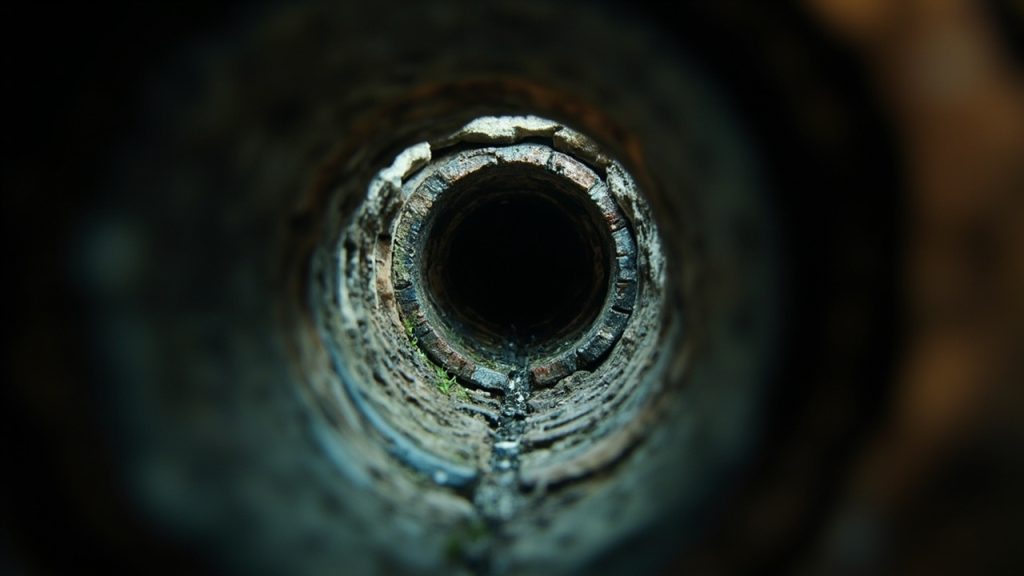
The Critical State of Aging Baltimore Infrastructure in 2026
Owning a Baltimore rowhouse involves a deep connection to the history of Maryland. From the white marble steps in Federal Hill to the waterfront views in Fells Point, these homes define the city. Many of these properties still use plumbing systems from over a century ago. These aging pipes reached a critical point during this 2026 calendar year. The clay and terracotta lines beneath the streets are brittle. Identifying the signs your Baltimore rowhouse sewer line is failing saves you from property damage. It helps you avoid the mess of a basement backup in a tight urban space.
Baltimore rowhouses present specific plumbing challenges because the properties sit so close together. A sewer leak in your basement affects more than just your home. It often impacts your neighbors in Canton or Hampden. The high density of local neighborhoods means a small crack in a main-line leads to structural settling. It causes sinkholes in the small alleys behind your home. Understanding the nuances of Baltimore infrastructure helps you maintain a dry and healthy property in 2026.
Recurring clogs in multiple fixtures indicate serious trouble. If your kitchen sink and your bathroom shower drain slowly, the problem exists deep in the main-line. Residents in Canton rowhouses find that their drains clog because of ancient pipe designs. These old pipes cannot handle the water volume required by modern 2026 appliances. High-efficiency washing machines and multi-head showers put immense pressure on old systems. If you use a plunger every week, you likely face a structural failure rather than a simple blockage. The pipe may have collapsed or shifted due to soil movement.
Baltimore experiences a unique geological situation called the Fall Line. This is where the hard rocks of the Piedmont meet the soft sediments of the Atlantic Coastal Plain. This transition zone causes the soil to shift more frequently than in other cities. When the ground moves, the rigid terracotta pipes used in neighborhoods like Mount Vernon or Bolton Hill often snap. This breakage interrupts the flow. It allows waste to leak into the earth surrounding your foundation. We see more of these shifts during the 2026 rainy season than in previous years.
The urban environment of Baltimore creates further stress on these lines. Constant vibration from heavy truck traffic on streets like Eastern Avenue or Fleet Street rattles the old joints of cast-iron pipes. Over time, these vibrations cause the brittle metal to crack. Once a crack forms, the soil enters the pipe. This creates a cycle of erosion and blockage. You might notice that your drains work fine for a few days after a cleaning but then slow down again. This suggests that soil is actively filling the pipe through a break.
The Smell of Sewer Gas in Your Living Space
A functioning sewer system remains airtight. All gasses vent out through the roof of the house. If you notice a rotten egg smell in your basement or near your floor drains, your sewer line has lost its seal. In the humid Baltimore summers of 2026, these odors become overwhelming. The smell proves that sewer gas escapes through a crack or a separation in the pipe. This creates a health hazard for your family. You must address this issue immediately.
The intensity of the smell fluctuates based on current weather patterns. Heavy rains push sewer gasses into the home if the main-line has a restriction. You might also notice these odors in the alleyway behind your house. If the concrete in your alley stays damp when it has not rained, the sewer line is leaking into the soil. This moisture weakens the foundation of your home. In 2026, we see many rowhouses with cracked brickwork caused by persistent underground leaks that wash away the supporting dirt.
Sewer gas contains methane and hydrogen sulfide. These gasses are unpleasant and toxic in high concentrations. If you smell these gasses, check your basement floor drain. Many older Baltimore homes have a house-trap located just inside the front or back wall. If the water in this trap evaporates or if the trap itself cracks, gas enters the living space. You can try pouring a bucket of water down the drain to seal the trap. A persistent smell means the main-line has a deeper break.
Professional drain cleaning often masks these smells for a few days. However, a cracked cast-iron pipe will continue to leak gas. We use RIDGID SeeSnake camera systems to find the exact source of the leak. This eliminates the guesswork for homeowners in Highlandtown or Butchers Hill. Knowing the exact location of the break prevents unnecessary digging in your basement slab. High-tech sensors now allow us to detect methane levels before they reach dangerous concentrations.
The city atmosphere in 2026 makes these odors even more noticeable. When the air is still, the gasses settle in the low-lying areas of the house. You may find the smell is strongest in the morning before the HVAC system starts moving the air. Do not ignore these scents. They are often the only warning you get before a major pipe collapse. A simple smoke test can confirm where the gas is escaping from your interior plumbing.
Gurgling Noises and Backwards Water Flow
Listen to your pipes after you flush the toilet or run the washing machine. If you hear a distinct gurgling or bubbling sound from the floor drain, air is trapped in the system. This happens when a blockage or a collapsed section of pipe prevents water from flowing toward the city main. In many Baltimore neighborhoods, these sounds serve as the first warning before a total backup occurs. The air bubbles up through the standing water in the pipes because it has nowhere else to go.
You might see water backing up into the basement floor drain when you run the dishwasher upstairs. This proves the main-line cannot exit the property fast enough. If you experience a sudden backup, you need an emergency responder to stop the damage. Waiting until the morning leads to extensive mold growth and high cleanup costs. The water from a sewer backup is Category 3 black water. This contains pathogens and requires professional remediation. Many Baltimore basements are finished living spaces, making a backup even more costly in 2026.
In 2026, we see issues with the city combined sewer and storm systems. During intense rain events, the city main can become surcharged. This means the city pipe is full and under pressure. Without a backwater valve, the city waste can push backward into your basement. This is common in low-lying areas like the Inner Harbor and Fells Point. Installing a backwater valve during your sewer repair prevents this reverse flow. It protects your basement from external flooding during current storm events.
Old-fashioned snake machines often fail to clear these modern clogs. We use Picote milling machines to grind away scale and debris in cast-iron pipes. This restores the internal diameter of the pipe. If the gurgling persists after a professional cleaning, the pipe has a structural defect. A belly in the line, where the pipe sags, collects standing water. This creates a permanent gurgling sound every time you use a fixture.
Standing water in the pipe also leads to the accumulation of grease and solid waste. This is why many Baltimore rowhouses experience recurring clogs every six months. The sag in the pipe acts like a trap that never empties. Only a structural repair can fix a sag. No amount of chemicals or jetting will lift a sunken pipe back into its original position. We recommend a camera inspection to measure the depth of any bellies in your line.
Structural Sinking and Alleyway Sinkholes
Baltimore rowhouse sewer lines run under the sidewalk or the rear alley. If a pipe cracks, the escaping water washes away the soil that supports the pavement. This leads to sunken bricks or large sinkholes. If you notice a specific patch of your alley is sinking, the sewer line underneath is likely leaking. This happens frequently in Fells Point where the sandy soil erodes easily. A leaking pipe acts like a vacuum. It pulls soil into the line and carries it away to the city main.
Inside the house, you might notice new cracks in the basement floor or walls. Some settling is normal for an old home. New cracks alongside drainage issues are a red flag. Water from a broken sewer line saturates the ground beneath your slab. This causes the house to shift. Keeping your basement dry with professional sump pump repair helps, but a sump pump cannot fix a broken sewer line. You must repair the source of the water to stabilize your foundation. This is a common requirement for 2026 home inspections.
Sinkholes in the alley are particularly dangerous in Baltimore. Many of these alleys are narrow and provide the only access for emergency vehicles or trash collection. If a sewer leak creates a void under the concrete, a heavy truck could fall through the surface. Homeowners often share the responsibility for these alley repairs. If the leak occurs on your private lateral, the city requires you to fix the pipe and the pavement above it. This requires specific permits and bonded contractors who understand Baltimore paving standards.
Soil erosion happens slowly over time. You might not see the sinkhole until it is several feet wide. Watch for cracks in the asphalt or concrete that seem to form a circle. This indicates a void is forming beneath the surface. In neighborhoods like Pigtown or Union Square, these voids can compromise the structural integrity of the entire row. We recommend a proactive camera inspection if you see any unexplained puddling in your alleyway during the 2026 season.
Repairing these voids requires specialized equipment. Grouting services can fill the empty spaces beneath the concrete to stabilize the ground. However, you must stop the leak first. A sewer line that continues to leak will simply wash away any new fill material. In 2026, we coordinate with masonry experts to ensure that the brickwork in historic alleys is preserved during the stabilization process. This protects the aesthetic value of neighborhoods like Bolton Hill.
The Baltimore Party-Line System and Shared Sewer Responsibility
A unique feature of Baltimore plumbing is the party-line. Many older rowhouses share a single sewer connection with one or more neighbors. If you live in a group of four houses, you might all connect to one six-inch line that leads to the city main. This creates a technical challenge when the line fails. If your neighbor has a backup, you might have one too. This happens even if your internal pipes work perfectly. These lines are often located in the rear of the property under a shared walkway.
Identifying if you are on a shared line is critical for 2026 homeowners. The Baltimore City Department of Public Works (DPW) considers these shared lines to be private property. This remains true until they hit the public right-of-way. This means you and your neighbors share the repair costs. You should check your property survey and have a camera inspection to see where your responsibility ends. Many disputes arise in 2026 when one neighbor refuses to pay for a repair that affects the entire row of houses.
Legal agreements for shared sewers are often found in the deed of the property. If no agreement exists, Maryland common law generally requires all users of the shared line to contribute to its maintenance. A camera inspection can pinpoint which section of the pipe is broken. If the break happens on the section that only you use, you pay for it. If the break occurs on the shared trunk-line, everyone pays. We recommend having a professional plumber document the location of the break with a digital locator. This provides clear evidence for all parties involved.
In 2026, the Baltimore City DPW provides some nuance regarding backups on these lines. Through the Sewage Onsite Support (SOS) program, the city may provide cleanup assistance if the backup is caused by a blockage in the public main that affects the private party-line. However, if the blockage is within the private shared portion, the homeowners remain responsible for the cleanup and the repair. Understanding these boundaries saves you from waiting for a city response that may never come for a private issue.
Current Sewer Pipe Material Comparison for 2026
| Material Type | Common Age in Baltimore | Primary Failure Mode | Estimated Life Span |
|---|---|---|---|
| Terracotta or Clay | 75 to 100 plus years | Root intrusion and joint-separation | 60 to 80 years |
| Cast-Iron | 50 to 70 years | Internal corrosion and bottom channel-rot | 50 to 100 years |
| PVC Modern | 0 to 40 years | Physical impact or poor installation | 100 plus years |
| CIPP Liner | 0 to 20 years | Improper curing during installation | 50 plus years |
The Impact of Tree Roots in Urban Baltimore
Even in a dense city, tree roots cause many sewer failures. Trees in the public right-of-way or in small backyards constantly seek moisture. The joints in old clay pipes are not watertight. They were often sealed with cement that degrades over decades. Roots find these tiny gaps and enter the pipe to reach the water. Once inside, the roots grow until they block the flow. They pressure the pipe until it shatters. This is a major issue in Charles Village where large street trees dominate the sidewalks.
Hydro-jetting clears these roots temporarily. It is not a permanent fix. Once a root enters a pipe, it will return because the crack remains. In 2026, we see many homeowners struggling with recurring root growth. Permanent solutions involve replacing the pipe or using a liner to seal out the roots. If you have a large tree near your sewer lateral, you should schedule a camera inspection every two years. Monitoring root growth before it leads to a total blockage is essential.
Roots thrive in sewer lines because of the consistent temperature and nutrient-rich environment. They can grow from a tiny hair-like strand into a thick mass that fills the entire diameter of a six-inch pipe in just a few years. When the roots catch toilet paper and solid waste, they form a solid plug. This plug causes the waste to back up into your basement. Regular maintenance with a high-pressure water jet can scrub the pipe walls. Eventually, the structural integrity of the pipe will fail under the pressure of the expanding root system.
In 2026, many homeowners use root-inhibiting chemicals as a temporary measure. These copper-sulfate treatments can slow the growth but they do not repair the holes in the pipe. The only way to stop roots permanently is to create a seamless barrier. CIPP technology provides this barrier without the need for excavation. We use specialized cutters to remove existing roots before installing a permanent NuFlow liner.
It is important to note that the city may remove a street tree if its roots are proven to be damaging the public main. However, the city rarely removes a tree for damage to a private lateral. You must manage the roots on your property. This often involves a combination of mechanical cleaning and structural lining to ensure the tree and your plumbing can coexist. Modern liners are root-proof because they have no joints for the roots to penetrate.
Modern Trenchless Solutions for Rowhouses
Past repair methods for sewer lines required digging a massive trench through your basement or your backyard. This process often feels impossible in a Baltimore rowhouse environment. Heavy machinery cannot fit into a tiny backyard in Canton or Federal Hill. Trenchless technology provides a better option for these tight spaces. Damaged sewer lines in Baltimore can now be fixed without digging to save your outdoor brickwork and concrete paths. This technology is the standard for 2026 residential repairs.
Contractors offer two main types of trenchless repair. Pipe-bursting involves pulling a new HDPE pipe through the old one while the old pipe breaks apart. Cured-In-Place-Pipe, or CIPP, involves inserting a resin-soaked liner into the existing pipe. Brands like Perma-Liner provide high-durability epoxy-resins that withstand the test of time. Once the resin hardens, you have a new, seamless pipe inside the old one. This is perfect for Baltimore because it requires very little space.
Using these methods preserves the historic character of your home. You do not have to worry about matching 100-year-old bricks or restoring custom masonry in your garden. The process moves faster than traditional digging. Most trenchless jobs in 2026 take less than a day to complete. This reduces the time your water must stay off. It minimizes the disruption to your neighbors. Because it avoids major excavation, it also reduces the risk of hitting other underground utilities like gas or water lines.
Preparation is key for a successful lining project. We use Miller and Picote machines to prep the pipes for lining. These tools remove the rust and debris that prevent the liner from bonding. A clean pipe is essential for a successful CIPP installation. After the liner is in place, we use a specialized UV light or hot water system to cure the resin quickly. This allows us to restore your sewer service in a single afternoon. Modern 2026 materials are much stronger than the original clay pipes they replace.
The cost-effectiveness of trenchless work becomes clear when you factor in restoration. Digging up a basement floor requires hauling away dirt and pouring new concrete. It also means replacing whatever flooring was on top. Trenchless methods avoid these secondary costs. Homeowners in Mount Vernon frequently choose CIPP to avoid disturbing their historic tile floors or high-end basement finishes.
Steps for Managing Baltimore City Sewer Repairs
- Schedule a professional sewer camera inspection to find the exact point of failure.
- Determine if the break is on your private property or within the Baltimore City right-of-way.
- Check with neighbors to see if you share a party-line.
- Apply for the DPW SOS program if you experience a basement backup to see if you qualify for cleanup.
- Obtain a plumbing permit from the Baltimore City Department of Housing and Community Development.
- Hire a bonded utility contractor if the work extends under the sidewalk or street.
- Decide between traditional excavation and trenchless repair based on access constraints.
- Install a backwater valve to prevent future city main backups.
- Complete a final camera inspection to verify the work before closing the permit.
Baltimore City Permit and Inspection Nuances
Any time you work on a sewer line in Baltimore, you must follow strict city codes. If the repair happens entirely under your house, you need a standard plumbing permit. If the repair requires cutting into the sidewalk or the street, you must deal with the Right-of-Way office. This requires a bonded and insured contractor authorized to work in public spaces. The city is very strict about how the sidewalk is restored after a repair. You must use specific concrete mixes that meet current 2026 standards.
In 2026, the city has updated its requirements for backflow preventers. If you replace your main-line, you are often required to install a backflow preventer. This protects your home from city main surcharges during heavy storms. This is vital in low-lying areas like Fells Point where the storm and sewer systems often become overwhelmed. The cost of permits and inspections varies based on the scope of the work. A simple interior repair has lower fees than a full street-cut that requires traffic control.
The permit process for a street-cut is much more involved. You must submit a site-plan showing the location of the utilities. The city may also require a Minor Privilege permit if you install a new cleanout in the public sidewalk. This permit allows your private infrastructure to exist on public land. The DPW must also inspect the connection to the city main before the contractor fills the trench. If you bury the pipe before the inspector sees it, the city will force you to dig it back up. This adds significant cost and time to the project in 2026.
Baltimore City also offers an Expedited Reimbursement Program in 2026 for those affected by capacity-related backups. If the city main is too small to handle a storm and it causes your line to fail, you may be eligible for a refund of certain repair costs. You must provide a certified plumber’s report and video evidence to the DPW within a specific timeframe. This program helps mitigate the high cost of maintaining private property that connects to aging public infrastructure.
Repair Process and Timeframe Estimates for 2026
| Phase of Work | Traditional Excavation | Trenchless CIPP |
|---|---|---|
| Permit Approval Time | 5 to 10 business days | 3 to 5 business days |
| Preparation and Access | 1 to 2 days | 2 to 4 hours |
| Active Repair Time | 3 to 5 days | 4 to 8 hours |
| Site Restoration | 2 to 4 days | Less than 4 hours |
Investment Factors and Home Value in 2026
A sewer repair is a significant expense. It is an investment in the longevity of your home. A documented sewer replacement is a major selling point in the Baltimore real estate market. Potential buyers in 2026 are savvy about the risks of old infrastructure. Providing proof that you replaced an old clay line with modern PVC or a high-quality liner increases your home value. It also speeds up the sale process. Knowing your sewer repair options allows you to budget effectively for the future.
If you suspect your sewer line is failing, do not wait for a total backup. The pressure of wastewater against a compromised pipe makes the situation worse over time. A simple camera inspection gives you the clarity you need to make a decision. Whether you live in a historic rowhouse in Highlandtown or a renovated property in Hampden, your sewer line is the most important part of your plumbing system. Taking care of it ensures that your Baltimore home remains a safe and comfortable place for many years.
Ignoring the warning signs leads to emergency situations. In 2026, emergency plumbing rates are much higher than scheduled repairs. By acting early, you can choose the best contractor and the best repair method for your specific situation. You also avoid the loss of personal items in your basement. We recommend that every Baltimore rowhouse owner has their line inspected if the house is over 50 years old. This proactive approach saves money. It prevents the stress of a sudden sewer failure.
If you experience slow drains, strange odors, or sinking in your alley, reach out for a professional inspection today. We help you manage the details of Baltimore City permits and shared sewer lines. Our team finds the best solution for your property. We ensure your plumbing meets the standards of 2026 and beyond. Protecting your Baltimore investment starts with a clear view of what is happening underground. Modern tools and current city programs provide more support than ever before for residents facing these infrastructure challenges.