Menu

Water Conservation Tips in Baltimore – Cut Your Water Bill and Protect the Chesapeake Bay

Practical water saving techniques that reduce consumption in your Baltimore home while lowering utility costs and helping preserve the local watershed that feeds directly into the Bay.

Slider Image 1
Slider Image 2
Slider Image 3
Slider Image 4
Slider Image 5
Slider Image 7
Slider Image 8
Slider Image 9
Slider Image 10
Slider Image 11

Why Baltimore Homeowners Need to Rethink Water Use Right Now

Baltimore sits at the head of the Chesapeake Bay watershed. Every gallon of water you use flows through aging city infrastructure, gets treated at Back River or Patapsco plants, then eventually reaches the Bay. The city's combined sewer system means that during heavy rain events, excess stormwater mixed with untreated sewage overflows directly into local waterways. Your water consumption matters more here than in most cities.

Baltimore's water rates have climbed steadily over the past decade as the city invests billions in mandated infrastructure upgrades. The average household now pays over one hundred dollars monthly for water and sewer service combined. High consumption means higher bills, but it also strains a system already working at capacity during peak demand.

Most Baltimore homes were built before modern water efficiency standards existed. Rowhouses in Hampden, Canton, and Fells Point often have original galvanized pipes, outdated fixtures, and plumbing configurations that waste water without you noticing. A single leaking toilet can waste thousands of gallons monthly. Pre-1994 toilets use up to seven gallons per flush compared to today's 1.28 gallon models.

Ways to save water start with understanding your home's specific vulnerabilities. The clay soil common throughout Baltimore expands and contracts with moisture changes, stressing underground water lines and causing hidden leaks. Homes near Druid Hill Park or along the Jones Falls corridor face additional challenges from tree root intrusion into aging sewer laterals. Reduce water consumption by addressing these structural issues first, then implementing water efficiency strategies throughout your daily routine.

Why Baltimore Homeowners Need to Rethink Water Use Right Now
The Smart Approach to Cutting Water Waste in Your Home

The Smart Approach to Cutting Water Waste in Your Home

Effective water saving techniques require a systematic evaluation of your plumbing system, not just swapping out a showerhead and hoping for results. Start with a professional assessment of your water meter. Turn off all fixtures and appliances, then check if the meter dial moves. Any movement indicates a leak somewhere in your supply lines.

Toilet leaks represent the most common source of hidden water waste. A flapper valve that no longer seals properly allows water to seep continuously from tank to bowl. Drop food coloring in the tank and wait fifteen minutes without flushing. If color appears in the bowl, you have a leak. Replace the flapper, fill valve, and flush valve as a complete assembly rather than piecemeal.

Your water heater likely wastes more water than any other fixture. If you wait more than thirty seconds for hot water at distant fixtures, you lose gallons daily down the drain. Recirculating pump systems or point-of-use heaters eliminate this waste. Insulating hot water pipes reduces heat loss and shortens wait times.

Aerators on faucets mix air with water flow, maintaining pressure while cutting volume. Modern aerators deliver 1.5 gallons per minute compared to older fixtures pushing three to five gallons per minute. Install WaterSense labeled models on bathroom and kitchen faucets.

How to save water at home includes upgrading to high-efficiency fixtures across your entire system. Pressure-assist toilets use compressed air to generate powerful flushes with minimal water. Tankless water heaters eliminate standby losses from traditional tank models. Low-flow showerheads now provide satisfying pressure while using less than two gallons per minute. These water efficiency strategies compound over time, creating substantial savings on your monthly utility bills while reducing strain on Baltimore's overtaxed water infrastructure.

How We Help Baltimore Homes Implement Water Saving Solutions

Water Conservation Tips in Baltimore – Cut Your Water Bill and Protect the Chesapeake Bay
01

System Audit and Leak Detection

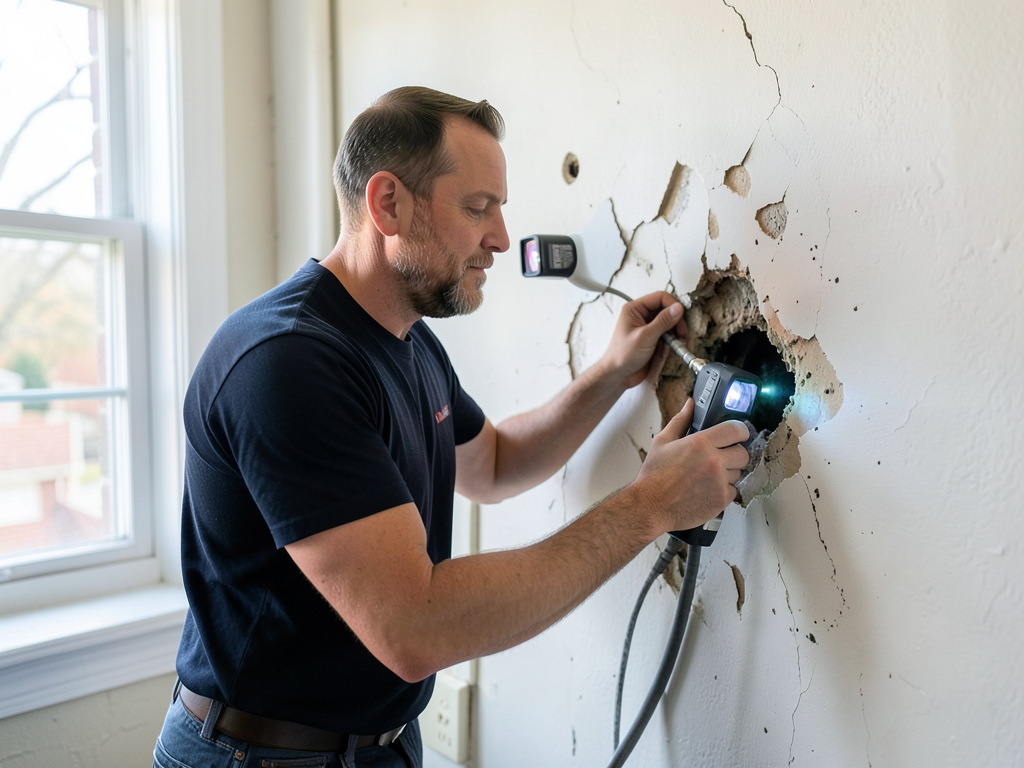
We inspect your entire plumbing system from the main shutoff valve to every fixture. Using acoustic leak detection equipment, we locate hidden leaks in supply lines buried in walls or under slabs. We test water pressure at multiple points to identify restriction issues that force fixtures to run longer than necessary. You receive a detailed report showing exactly where water waste occurs and which fixes deliver the fastest return on investment.
02

Strategic Fixture Upgrades

We prioritize upgrades based on your consumption patterns and budget. High-efficiency toilets get installed first since they typically account for thirty percent of indoor water use. We replace outdated faucet cartridges with modern ceramic disc valves that seal perfectly and last decades. Pressure-reducing valves get adjusted to optimal levels, preventing waste while protecting pipes from stress. Every component we install meets WaterSense certification standards and suits Baltimore's water chemistry.
03

Monitoring and Adjustment

After installation, we help you track results by comparing water bills before and after the upgrades. We show you how to read your water meter and establish a baseline for normal consumption. Smart leak detection systems can be integrated with your plumbing to alert you immediately if unusual flow patterns occur. We provide maintenance schedules for aerators, flappers, and other components that need periodic attention to maintain peak water efficiency over time.

Why Baltimore Residents Trust Local Plumbing Expertise for Conservation

Baltimore's plumbing infrastructure presents unique challenges that generic advice cannot address. The city'sRowHouse belt from Pigtown to Highlandtown features shared walls and interconnected plumbing that requires specialized knowledge. A water conservation modification in one unit can affect pressure and drainage in adjacent homes. We understand these complexities because we work in these neighborhoods daily.

The city building codes require specific backflow prevention devices and pressure specifications for new fixture installations. DIY upgrades often miss these requirements, creating code violations that surface during home sales or after water damage incidents. Professional installation ensures compliance with Baltimore City Department of Permits and Code Enforcement standards.

Water chemistry matters more than most homeowners realize. Baltimore's water comes from Liberty Reservoir and Loch Raven Reservoir, with treatment varying by season. The moderate hardness levels affect how fixtures perform over time. We select components designed to handle local mineral content without degrading. Cheap aerators and cartridges fail quickly in Baltimore water, negating any efficiency gains.

Keystone Plumbing Baltimore has installed water-saving fixtures in thousands of city homes from Roland Park to Patterson Park. We know which products actually deliver the promised savings and which marketing claims fall flat. Our supply relationships mean you get contractor pricing on quality components rather than retail markup on hardware store products.

The Chesapeake Bay Foundation and Baltimore City Department of Public Works offer rebate programs for water efficiency upgrades. We handle the paperwork and ensure installations meet program requirements so you receive maximum rebates. Most homeowners leave money on the table because they do not know these programs exist or cannot navigate the documentation requirements.

What Happens When You Pursue Real Water Efficiency

Fast Assessment, Clear Timeline

Most water audits take two to three hours depending on your home size and plumbing complexity. We check every fixture, test pressure at multiple taps, inspect visible supply lines, and examine your water heater. You receive a written assessment within twenty-four hours showing exactly where water waste occurs and which fixes matter most. Simple upgrades like aerator replacement and flapper installation happen same-day. Larger projects like toilet replacement or recirculation system installation get scheduled within the week. We coordinate work to minimize disruption and avoid leaving you without water access. Emergency leak repairs obviously jump the queue because active leaks waste thousands of gallons while damaging your property.

Comprehensive Water System Evaluation

We do not just look at fixtures. Your entire supply system affects water efficiency. We measure static and dynamic water pressure because excessive pressure forces more water through fixtures than necessary while stressing washers and seals. We inspect shutoff valves for leaks and function because a valve that cannot fully close wastes water during repairs. We examine your water heater for sediment buildup that reduces efficiency and extends warm-up time. We check for pipe corrosion and scale deposits that restrict flow and force fixtures to run longer. We test your sump pump discharge and foundation drainage because groundwater intrusion increases humidity and creates conditions for pipe condensation and waste. This complete assessment identifies problems you did not know existed.

Measurable Results and Lower Bills

Water conservation improvements deliver quantifiable savings you see on your next billing cycle. Toilet upgrades alone typically cut consumption by twenty to thirty percent in older homes. Fixing a leaking flapper saves up to two hundred gallons daily. Aerator installation reduces faucet flow by forty percent without noticeable pressure loss. A recirculation system eliminates the five to ten gallons most families waste daily waiting for hot water. We provide estimated savings for each recommended upgrade so you can prioritize based on return on investment. Most comprehensive upgrades pay for themselves within two to four years through reduced water and sewer charges. You also gain peace of mind knowing you are not dumping wasted water and treatment chemicals into the Chesapeake Bay watershed.

Ongoing Support and Maintenance Guidance

Water-efficient fixtures require minimal maintenance but benefit from periodic attention. We show you how to clean aerators every six months to prevent mineral buildup that reduces flow and efficiency. We provide schedules for checking toilet flappers and fill valves since these rubber components degrade over time. We explain how to monitor your water heater's pressure relief valve and anode rod, components that protect your investment and maintain efficiency. We offer annual plumbing inspections that catch small issues before they become expensive problems. If you install a smart water monitoring system, we help you interpret the data and adjust your usage patterns. Our goal extends beyond the initial installation. We want your water-saving upgrades to deliver maximum benefit for decades.

Frequently Asked Questions

You Have Questions,
We Have Answers

What are the 10 ways to conserve water? +

Fix leaking faucets and toilets immediately. Install low-flow showerheads and faucet aerators. Run dishwashers and washing machines only with full loads. Turn off the tap while brushing teeth or washing dishes. Water your lawn early morning or late evening to reduce evaporation. Use a broom instead of a hose to clean driveways. Collect rainwater for outdoor plants. Take shorter showers. Install a dual-flush toilet. Insulate hot water pipes to reduce wait time for warm water. Baltimore residents face higher summer water costs, so these changes directly impact your utility bills.

What are 7 ways to conserve water? +

Turn off taps when not actively using water. Fix leaks in faucets, toilets, and pipes promptly. Install water-efficient fixtures like low-flow showerheads. Run full loads in dishwashers and washing machines. Water plants during cooler hours to minimize evaporation. Use mulch around garden beds to retain soil moisture. Shorten your shower by two minutes. Baltimore's aging infrastructure means leaks waste more water than you think. Check your meter regularly to catch hidden leaks early. Small changes add up to significant savings on your water bill.

What are the 5 R's of water conservation? +

The 5 Rs of water conservation are Reduce, Reuse, Recycle, Repair, and Respect. Reduce your water consumption by cutting shower time and running full appliance loads. Reuse greywater from sinks or showers for watering plants. Recycle rainwater with collection barrels. Repair leaks immediately to stop waste. Respect water as a limited resource, especially during Baltimore's summer dry spells when demand peaks. These principles help you manage both consumption and costs. Apply them consistently to see measurable drops in your monthly water bills while protecting the Chesapeake Bay watershed.

What are 20 ways to conserve water? +

Install low-flow fixtures. Fix all leaks. Run full appliance loads. Turn off taps when brushing teeth. Take shorter showers. Use a broom instead of a hose. Water plants early morning. Collect rainwater. Insulate pipes. Install dual-flush toilets. Use drought-resistant plants. Mulch garden beds. Wash cars with buckets. Scrape dishes instead of rinsing. Check for hidden leaks monthly. Use a dishwasher instead of hand washing. Adjust sprinklers to avoid pavement. Thaw food in the fridge, not under running water. Educate family members. Monitor your water meter regularly.

What are 100 ways to save water? +

This question asks for an unrealistic volume of tips. Focus on high-impact changes instead of chasing a number. Start with fixing leaks, installing efficient fixtures, and changing daily habits like shorter showers and turning off taps. Baltimore homeowners see the biggest savings from repairing toilet flappers, upgrading to low-flow showerheads, and watering lawns strategically. Add rainwater collection and greywater reuse for outdoor plants. Quality matters more than quantity. Ten well-executed conservation methods save more water than 100 half-hearted attempts. Prioritize actions that fit your household and address your specific water usage patterns.

What are 8 ways to conserve water? +

Fix leaking faucets and running toilets immediately. Install aerators on bathroom and kitchen faucets. Use your dishwasher instead of hand washing dishes. Water your lawn only when needed, early morning preferred. Turn off the tap while soaping hands or brushing teeth. Run washing machines with full loads only. Take five-minute showers instead of baths. Check your water meter before and after a two-hour period when no water is being used to detect hidden leaks. Baltimore's humid summers mean outdoor watering drives up bills fast, so adjust sprinklers carefully.

How to save water 30 ways? +

Start indoors with low-flow showerheads, faucet aerators, and dual-flush toilets. Fix leaks in pipes and fixtures. Run appliances only when full. Turn off taps during teeth brushing and dishwashing. Take shorter showers. Outside, water early morning to reduce evaporation. Use rain barrels to collect runoff. Choose native plants that need less water. Mulch garden beds to retain moisture. Sweep driveways instead of hosing them. Wash cars with buckets. Install drip irrigation for gardens. Monitor your water meter monthly. Baltimore residents can cut outdoor water use by 30 percent with smart lawn care alone.

How can we save water 50 ways? +

This question demands excessive detail. The reality is simpler. Focus on the areas where Baltimore homeowners waste the most water: leaky toilets, long showers, overwatered lawns, and running taps. Install efficient fixtures. Fix leaks fast. Change habits around personal hygiene and lawn care. Use rain barrels and mulch. Run appliances efficiently. These core strategies deliver 80 percent of your potential savings. Adding dozens more tips creates decision fatigue without meaningful impact. Concentrate on high-value changes you will actually maintain. Check your water bill quarterly to track progress and adjust your approach based on real usage data.

How to save water 🌊 💦? +

Fix leaks immediately. Install low-flow showerheads and faucet aerators. Run dishwashers and washing machines with full loads only. Turn off taps while brushing teeth or soaping dishes. Take shorter showers, aiming for five minutes or less. Water outdoor plants early morning to reduce evaporation. Use rain barrels to collect stormwater runoff. Choose native Maryland plants that require less irrigation. Mulch garden beds to retain soil moisture. Sweep driveways instead of hosing them down. Baltimore's water rates increase with higher usage tiers, so conservation directly reduces your monthly costs.

What is the meaning of water 💦? +

This question falls outside water conservation topics. Water is a transparent, tasteless liquid compound essential for all life. It covers 71 percent of Earth's surface and makes up roughly 60 percent of the human body. In plumbing contexts, water is the medium delivered through supply lines and removed through drain systems. For Baltimore homeowners, water represents both a utility cost and a resource requiring responsible management. The Chesapeake Bay watershed depends on reduced consumption and proper wastewater treatment. Understanding water's value motivates conservation efforts that protect both your wallet and local ecosystems.

How Baltimore's Aging Infrastructure Makes Home Water Conservation Critical

Baltimore operates one of the oldest water systems in the country, with some supply mains dating to the 1800s. The city replaces only fifteen to twenty miles of water mains annually, meaning full infrastructure renewal will take over a century at current rates. This aging system leaks millions of gallons before water even reaches your home. When you reduce consumption, you ease demand on stressed infrastructure and decrease the volume of wastewater requiring treatment. The Back River Wastewater Treatment Plant struggles during heavy rain events when stormwater overwhelms the combined sewer system. Your water efficiency strategies directly reduce the load on this plant, helping prevent untreated overflow into the Bay. Baltimore's unique position at the watershed head means your conservation efforts matter more than in cities with separated storm and sewer systems.

Baltimore plumbers who specialize in water conservation understand local code requirements and rebate programs that outsiders miss. The city offers rebates through the Toilet Rebate Program for replacing pre-1994 models with high-efficiency fixtures. The Chesapeake Bay Trust provides grants for residential water conservation projects. We navigate these programs regularly and handle documentation so you receive maximum financial benefit. Our relationships with local suppliers mean access to quality components at fair pricing. We stock parts that suit Baltimore's water chemistry rather than generic products that fail prematurely in local conditions. When you work with Keystone Plumbing Baltimore, you get expertise grounded in thousands of local installations rather than generic advice from national chains unfamiliar with your neighborhood's specific challenges.
Plumbing Services in The Baltimore Area

Discover our conveniently located service hub, strategically positioned to ensure rapid response times across the region. While our office welcomes inquiries, our skilled technicians are typically out in the field, ready to bring our expertise directly to your doorstep. We are committed to serving the entire area efficiently, making sure expert plumbing assistance is always just a call away, wherever you are.

Address:
Keystone Plumbing Baltimore, 312 N Martin Luther King Jr Blvd, Baltimore, MD, 21201

Additional Services We Offer

Our news updates

Latest Articles & News from The Blogs

Adding a Luxury Wet Bar to Your Rooftop Deck in South Baltimore Imagine sipping a cocktail on your rooftop deck…

Adding a Luxury Wet Bar to Your Rooftop Deck in South Baltimore

Adding a Luxury Wet Bar to Your Rooftop Deck in South Baltimore Imagine sipping a cocktail on your rooftop deck…

Finding and Fixing Hidden Slab Leaks Under Your Beverly Hills Home

Finding and Fixing Hidden Slab Leaks Under Your Beverly Hills Home A hidden slab leak can silently destroy your Beverly…

How to Repair a Leaky Shower Valve in Your Cross Keys Condo

How to Repair a Leaky Shower Valve in Your Cross Keys Condo Living in the Village of Cross Keys means…

Contact Us

Call Keystone Plumbing Baltimore at (443) 443-9099 to schedule your water efficiency assessment. We will identify exactly where your home wastes water and show you which upgrades deliver the fastest payback through lower utility bills.