Menu

Low Water Pressure Issues in Baltimore – Expert Diagnosis and Permanent Fixes

Keystone Plumbing Baltimore identifies the root cause of weak water pressure, poor water pressure, and decreased water pressure in your home, then delivers the correct repair the first time.

Slider Image 1
Slider Image 2
Slider Image 3
Slider Image 4
Slider Image 5
Slider Image 7
Slider Image 8
Slider Image 9
Slider Image 10
Slider Image 11

Why Baltimore Homes Experience Frequent Low Water Pressure Problems

You turn on your shower and the stream barely wets your hair. Your washing machine takes twice as long to fill. Your kitchen faucet sputters and wheezes. Poor water pressure is more than annoying. It disrupts your morning routine, delays laundry, and makes washing dishes a chore.

Baltimore homes face specific challenges that contribute to low water flow. The city's aging water infrastructure, built largely in the early-to-mid 20th century, includes galvanized steel pipes that corrode and restrict flow over time. Rowhouses and older construction in neighborhoods like Canton, Fells Point, and Hampden often share branched plumbing systems where one blockage affects multiple fixtures. Baltimore's moderately hard water, with mineral content averaging 120-180 ppm, accelerates sediment buildup inside pipes and fixtures.

The problem worsens in winter. When temperatures drop, increased household water use for heating systems and longer showers compounds existing pressure issues. If you notice decreased water pressure in one fixture, the issue may be a clogged aerator or showerhead. If you experience loss of water pressure throughout your home, the problem likely stems from corroded piping, a failing pressure regulator, or sediment accumulation in your water heater.

Weak water pressure also signals hidden damage. Leaks inside walls or under slabs reduce overall system pressure. A failing pressure-reducing valve can drop incoming pressure from the municipal main. Mineral deposits in old galvanized pipes reduce internal diameter by 50 percent or more, choking water flow to a trickle. Ignoring these signs leads to pipe failure, water damage, and emergency repairs.

Why Baltimore Homes Experience Frequent Low Water Pressure Problems
How Keystone Plumbing Baltimore Solves Low Water Pressure Permanently

How Keystone Plumbing Baltimore Solves Low Water Pressure Permanently

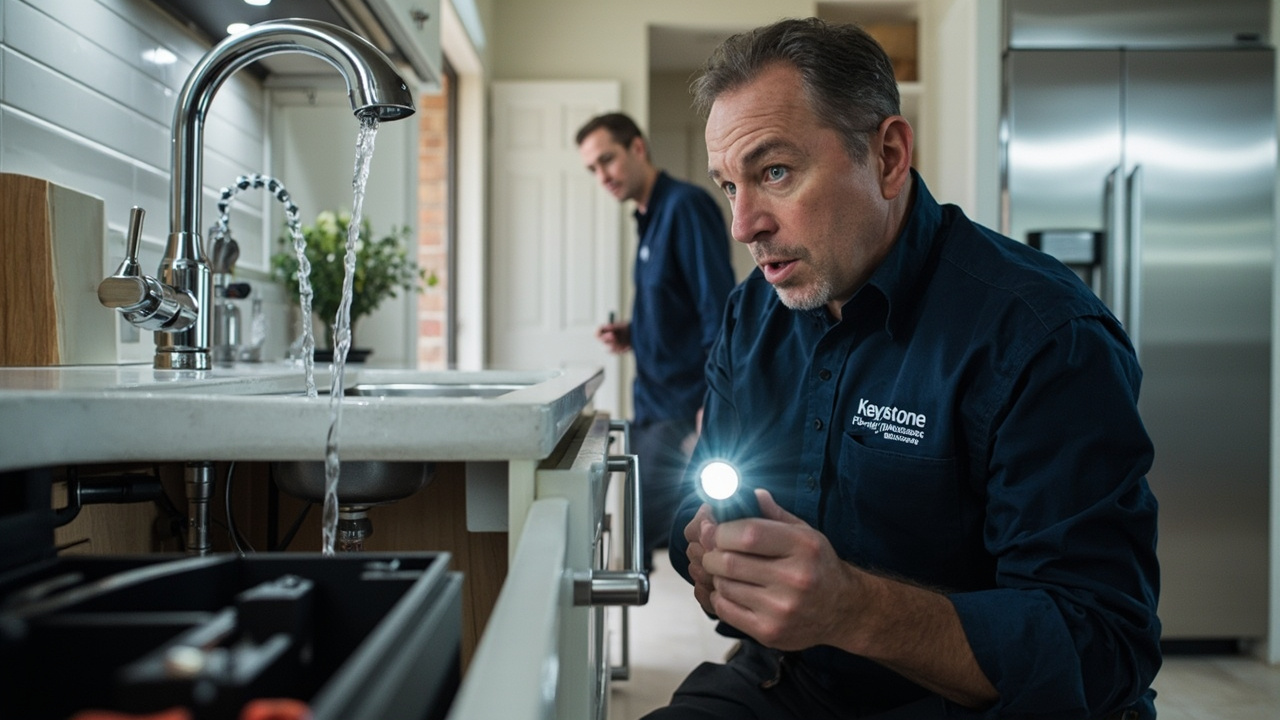
We do not guess. We test static pressure at the main shutoff valve, then measure dynamic pressure at multiple fixtures under load. This tells us whether the problem originates from the municipal supply, your pressure regulator, or internal plumbing. If static pressure reads below 40 psi, the issue lies upstream. If static pressure is normal but dynamic pressure drops significantly, you have flow restrictions inside your system.

We inspect your pressure-reducing valve next. Most Baltimore homes have PRVs installed where the city main connects to the house. These valves fail after 7 to 12 years, causing erratic pressure swings or chronic low flow. We replace faulty regulators with commercial-grade units sized to your household demand, then calibrate outlet pressure to 50-60 psi for optimal performance.

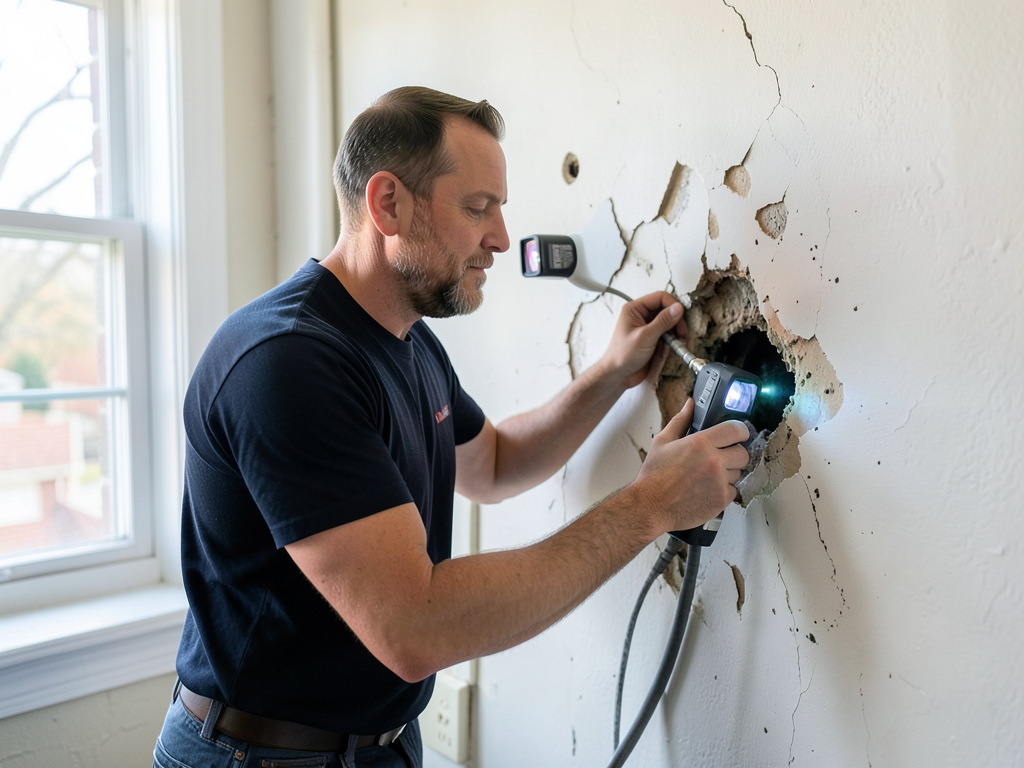
For homes with galvanized steel piping, we perform a camera inspection to assess internal corrosion. If buildup restricts flow by more than 30 percent, we recommend repiping with PEX or copper. This eliminates future corrosion, restores full pressure, and prevents pinhole leaks. We route new lines through existing chases and walls to minimize drywall damage, then pressure-test the entire system before closing walls.

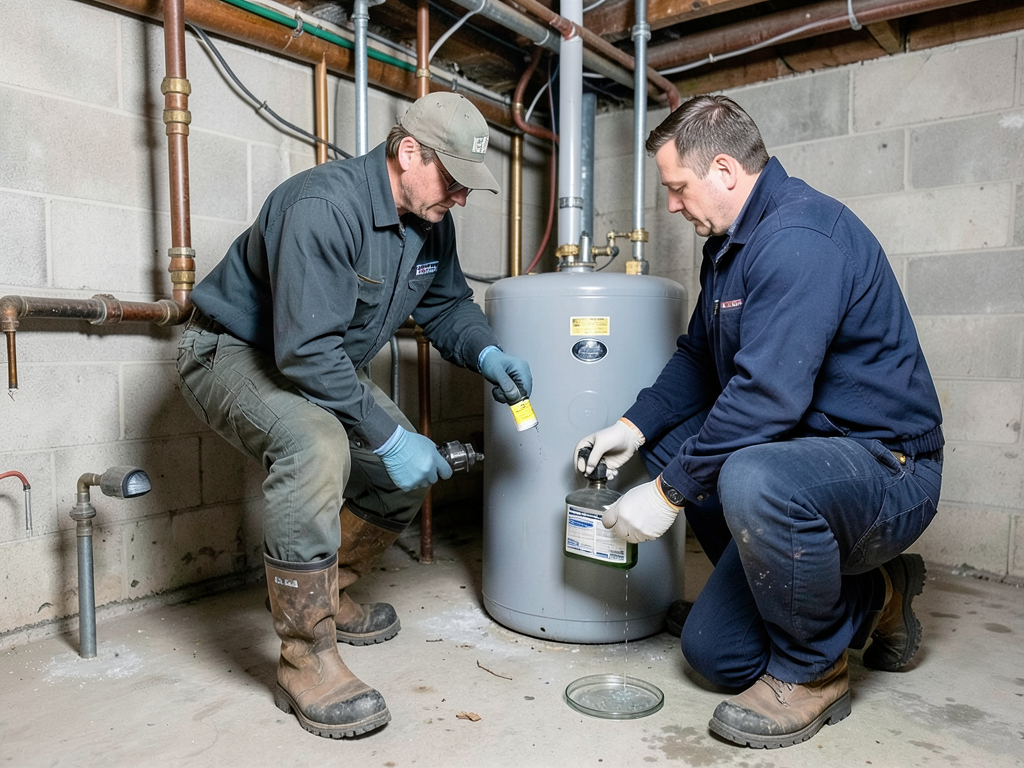
We also flush your water heater to remove sediment that clogs the dip tube and reduces hot water pressure. In severe cases, we replace the heater if sediment has hardened into a concrete-like mass. For localized issues, we replace clogged fixture cartridges, clean aerators, and install low-restriction showerheads that maintain pressure while conserving water.

Every repair includes a final pressure test at all fixtures to confirm full restoration of flow. We document baseline and post-repair pressures so you have a record of system performance.

What Happens During Your Water Pressure Diagnostic Visit

Low Water Pressure Issues in Baltimore – Expert Diagnosis and Permanent Fixes
01

Initial Pressure Testing

We measure static and dynamic water pressure at your main shutoff valve and at fixtures throughout your home. This identifies whether the problem originates from the municipal supply, your pressure regulator, or internal pipe restrictions. We test under normal use conditions to simulate real-world demand. You receive exact pressure readings before we propose any work.
02

System Inspection and Diagnosis

We inspect your pressure-reducing valve, check for visible leaks, and assess pipe material and condition. If you have galvanized piping, we use a camera to inspect internal corrosion. We drain a sample from your water heater to check for sediment buildup. We test individual fixtures to isolate whether the problem affects your entire system or specific areas. This diagnostic phase pinpoints the exact cause.
03

Repair and Verification

We perform the necessary repair, whether that means replacing a faulty pressure regulator, flushing your water heater, replacing corroded piping, or installing new fixture cartridges. After completing the work, we retest pressure at all fixtures to confirm full restoration of flow. You see the difference immediately. We document all pressure readings and provide a detailed report of the work completed.

Why Baltimore Homeowners Trust Keystone Plumbing for Water Pressure Repairs

We work in Baltimore every day. We know the plumbing systems in Patterson Park rowhouses, the aging infrastructure in Pigtown, and the galvanized pipe networks common in Waverly and Govans. We understand how Baltimore's water quality affects fixture performance and how sediment buildup accelerates in neighborhoods with hard water. This local knowledge allows us to diagnose problems faster and recommend solutions that work long-term.

We do not sell you unnecessary work. If your poor water pressure can be fixed with a $40 aerator replacement, we tell you. If your system needs a pressure regulator or partial repipe, we explain why and show you the evidence. Our technicians carry diagnostic tools on every truck, including pressure gauges, flow meters, and inspection cameras. We give you options, not ultimatums.

We also understand Baltimore's building codes and permit requirements. Any work that involves repiping or modifying your main water supply requires compliance with city plumbing regulations. We handle permits, inspections, and code compliance so you do not have to navigate the bureaucracy yourself. This protects your home value and ensures your repairs meet legal standards.

Our team completes most pressure-related repairs in a single visit. We stock common parts like pressure regulators, fixture cartridges, and water heater elements on our trucks. For larger projects like whole-house repiping, we provide a detailed timeline and work efficiently to minimize disruption. We protect your floors, clean up completely, and leave your home in better condition than we found it.

You also get straightforward communication. We explain what we find, what it means, and what your options are. No jargon you cannot understand. No pressure tactics. Just honest advice from plumbers who live and work in this city.

What to Expect When You Call Keystone Plumbing Baltimore

Fast Scheduling and Arrival Windows

We answer your call during business hours and schedule a diagnostic visit within 24 to 48 hours for non-emergency situations. If you have zero water pressure or a suspected main line failure, we prioritize your appointment. You receive a two-hour arrival window, and our technician calls 20 minutes before arriving. We respect your time and show up when we say we will. Most diagnostic visits take 45 to 90 minutes depending on the complexity of your system.

Thorough Diagnostic Process

We start every job with pressure testing and system evaluation. You walk through your home with the technician while we test fixtures, inspect visible plumbing, and check your pressure regulator. We explain what we find in plain language and show you the evidence. If we need to inspect your water heater or run a camera through your pipes, we explain why before we do it. You receive a written diagnostic report with pressure readings, findings, and recommended solutions before any work begins.

Reliable Repairs That Last

We use quality parts that match your system and your budget. For pressure regulators, we install adjustable models that let you fine-tune outlet pressure. For repiping, we use PEX or copper depending on your home's configuration and code requirements. We pressure-test all repairs before we finish to ensure the problem is solved. You notice the difference immediately when you turn on a faucet or take a shower. We do not leave until your water pressure is restored to normal operating levels.

Ongoing Support and Maintenance

After we complete your repair, we provide maintenance recommendations to keep your system running efficiently. This may include annual water heater flushing, periodic aerator cleaning, or pressure regulator testing. If you experience any issues after we leave, you can call us and we will return to make it right. We also offer preventive plumbing inspections that catch problems before they cause low water flow or fixture damage. Regular maintenance extends the life of your plumbing and prevents emergency repairs.

Frequently Asked Questions

You Have Questions,
We Have Answers

What is the most common cause of low water pressure? +

The most common cause is mineral buildup inside aging galvanized pipes. Baltimore's water supply contains calcium and magnesium that accumulate over decades, restricting flow. Corroded pipes are widespread in older Baltimore neighborhoods like Canton and Fells Point. Other culprits include partially closed shut-off valves, faulty pressure regulators, or leaks in your main supply line. A clogged aerator on your faucet can mimic whole-house pressure loss but takes seconds to check. If multiple fixtures show weak flow, the problem likely sits in your main line or at the water meter.

How to fix low water pressure? +

Start by checking your main shut-off valve. Make sure it's fully open. Remove and clean faucet aerators to rule out simple clogs. If pressure remains weak, test your pressure regulator near the water meter. Baltimore homes built before 1980 often have failing regulators that need replacement. For pipe corrosion, partial or full repiping may be necessary. A licensed plumber can run diagnostic tests to pinpoint whether the issue is internal piping, your pressure regulator, or a municipal supply problem. Don't ignore persistent low pressure because it signals bigger plumbing issues.

Can a plumber fix low water pressure? +

Yes. A licensed plumber diagnoses the root cause using pressure gauges and flow tests. They can replace faulty pressure regulators, clear sediment from pipes, repair leaks, or recommend repiping if corrosion is severe. Baltimore's older housing stock means plumbers here frequently handle galvanized pipe replacement. A plumber also checks if the city supply line has issues or if your main valve needs adjustment. Attempting complex repairs without proper tools often makes problems worse. Professional diagnosis saves you time and prevents damage to your plumbing system.

Who is responsible for low water pressure? +

Responsibility splits at the water meter. Baltimore City maintains the main supply line up to your meter. You own everything after that point, including your pressure regulator, shut-off valve, and interior piping. If neighbors report normal pressure, the problem is yours to fix. If the entire block has low pressure, contact Baltimore's Department of Public Works to report a municipal issue. Your homeowner's insurance typically does not cover gradual pipe deterioration. Documenting the problem early helps you budget for repairs before a pipe fails completely.

How much does it cost for a plumber to fix low water pressure? +

Costs vary widely based on the cause. Cleaning an aerator costs nothing. Replacing a pressure regulator runs a few hundred dollars. Full repiping for a Baltimore rowhome can reach several thousand dollars depending on square footage and pipe accessibility. Most plumbers charge a diagnostic fee to identify the issue before quoting repair costs. Get multiple estimates if repiping is recommended. Factor in Baltimore's older housing stock, which often requires more labor due to tight spaces and outdated materials. Emergency calls cost more than scheduled appointments.

How to unclog a p-trap? +

Turn off the water supply under the sink. Place a bucket beneath the p-trap. Loosen the slip nuts by hand or with pliers, then remove the curved pipe section. Dump the contents into the bucket. Use a bottle brush or wire to clear hair, soap scum, and debris. Rinse the p-trap thoroughly. Reassemble by hand-tightening the slip nuts, then test for leaks. Baltimore's hard water accelerates mineral buildup, so clean p-traps every few months. If the clog persists, the blockage may sit deeper in your drain line.

Can I adjust the water pressure myself? +

You can adjust a pressure regulator if you have the right tools and know your target range. Baltimore's municipal supply typically delivers 60 to 80 psi. Your home system should run between 50 and 60 psi. Locate the regulator near your water meter. Turn the adjustment screw clockwise to increase pressure, counterclockwise to decrease. Use a pressure gauge to monitor changes. If you lack experience, call a plumber. Incorrect adjustments can damage fixtures, burst pipes, or void warranties. Never exceed manufacturer specifications for your plumbing system.

How Baltimore's Aging Water Mains and Hard Water Affect Your Home's Pressure

Baltimore's municipal water system includes cast iron mains installed between 1910 and 1960, with many sections overdue for replacement. When these mains corrode or develop leaks, the city reduces pressure to prevent main breaks. This affects entire neighborhoods, particularly in East Baltimore, West Baltimore, and South Baltimore. Your home's pressure depends on the condition of the distribution system in your area. If citywide pressure drops below 40 psi, you need a booster pump or pressure tank to maintain adequate flow. Keystone Plumbing Baltimore evaluates municipal supply pressure first, so we know whether the problem originates outside your property line.

We work with the same water conditions and plumbing infrastructure you deal with every day. Our technicians live in Baltimore, service Baltimore homes, and understand the unique challenges of this city's aging housing stock. We know which neighborhoods have low municipal pressure, where galvanized piping is common, and how local water chemistry affects fixture performance. When you call a local plumber who works exclusively in this region, you get solutions tailored to your specific conditions. We do not apply generic fixes. We solve the actual problem affecting your Baltimore home.
Plumbing Services in The Baltimore Area

Discover our conveniently located service hub, strategically positioned to ensure rapid response times across the region. While our office welcomes inquiries, our skilled technicians are typically out in the field, ready to bring our expertise directly to your doorstep. We are committed to serving the entire area efficiently, making sure expert plumbing assistance is always just a call away, wherever you are.

Address:
Keystone Plumbing Baltimore, 312 N Martin Luther King Jr Blvd, Baltimore, MD, 21201

Additional Services We Offer

Our news updates

Latest Articles & News from The Blogs

Adding a Luxury Wet Bar to Your Rooftop Deck in South Baltimore Imagine sipping a cocktail on your rooftop deck…

Adding a Luxury Wet Bar to Your Rooftop Deck in South Baltimore

Adding a Luxury Wet Bar to Your Rooftop Deck in South Baltimore Imagine sipping a cocktail on your rooftop deck…

Finding and Fixing Hidden Slab Leaks Under Your Beverly Hills Home

Finding and Fixing Hidden Slab Leaks Under Your Beverly Hills Home A hidden slab leak can silently destroy your Beverly…

How to Repair a Leaky Shower Valve in Your Cross Keys Condo

How to Repair a Leaky Shower Valve in Your Cross Keys Condo Living in the Village of Cross Keys means…

Contact Us

Call Keystone Plumbing Baltimore at (443) 443-9099 to schedule your diagnostic visit. We identify the cause of your low water pressure and restore normal flow fast. Our technicians are ready to help.