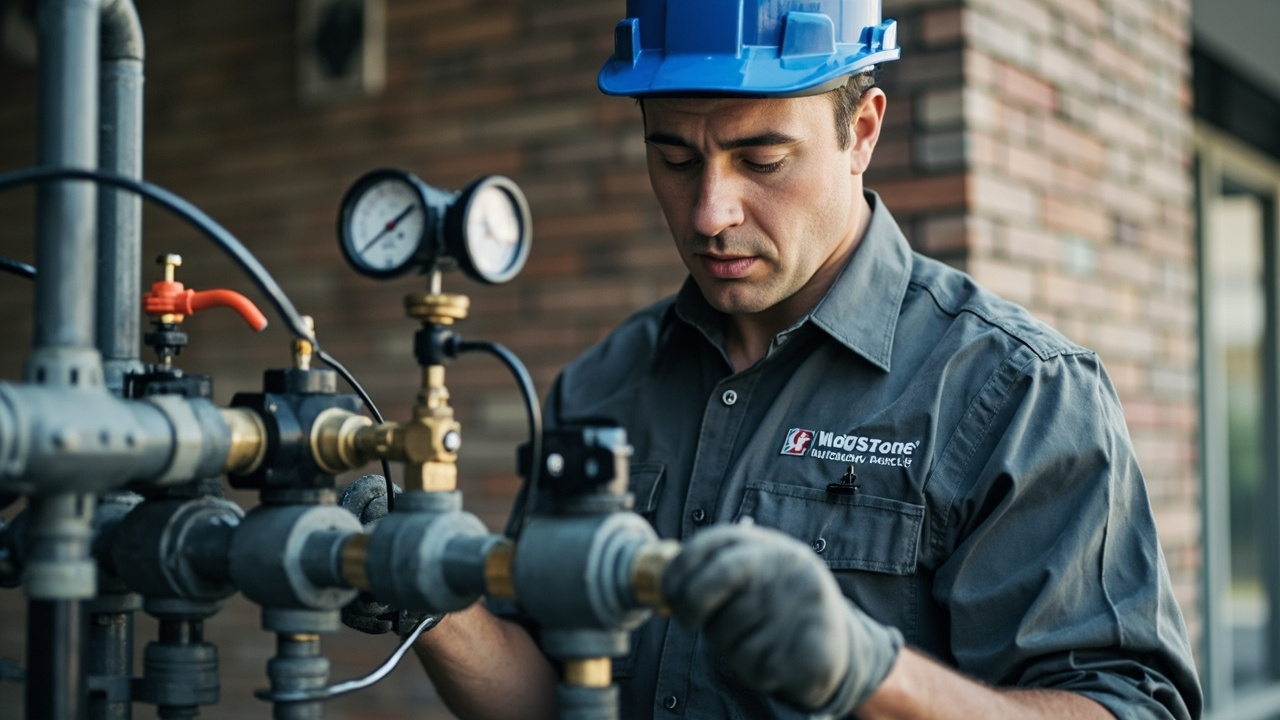
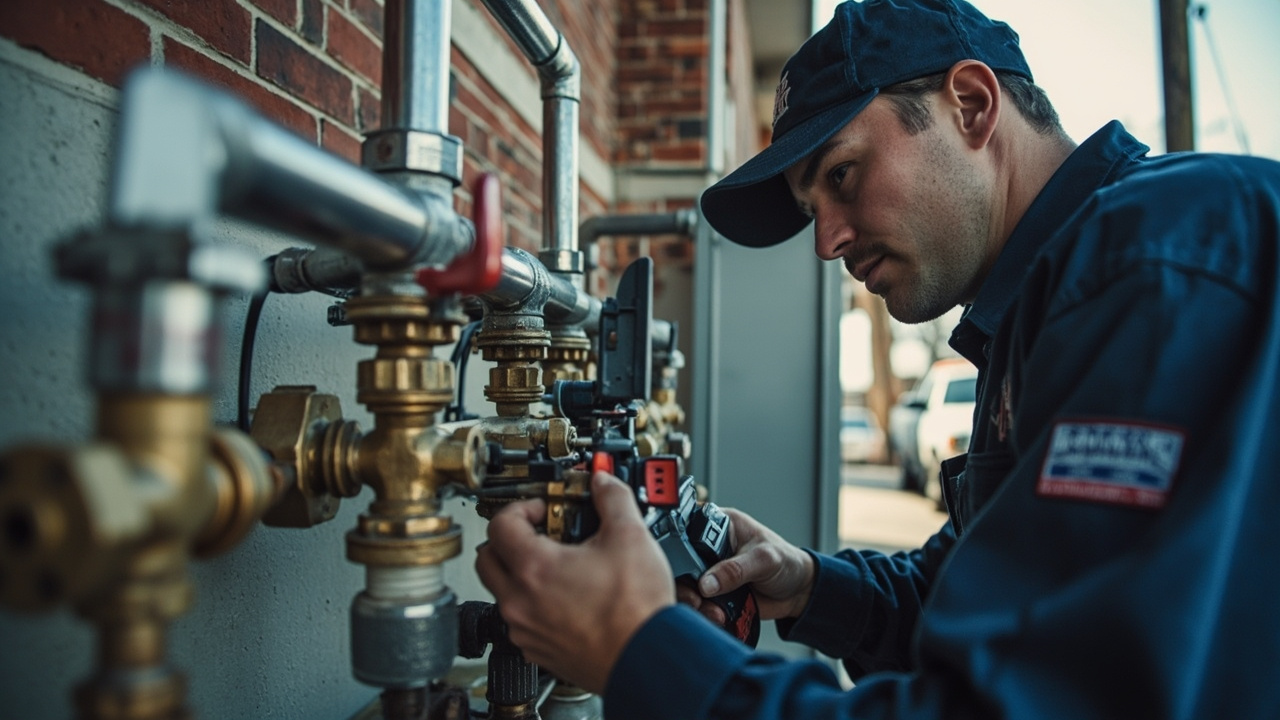
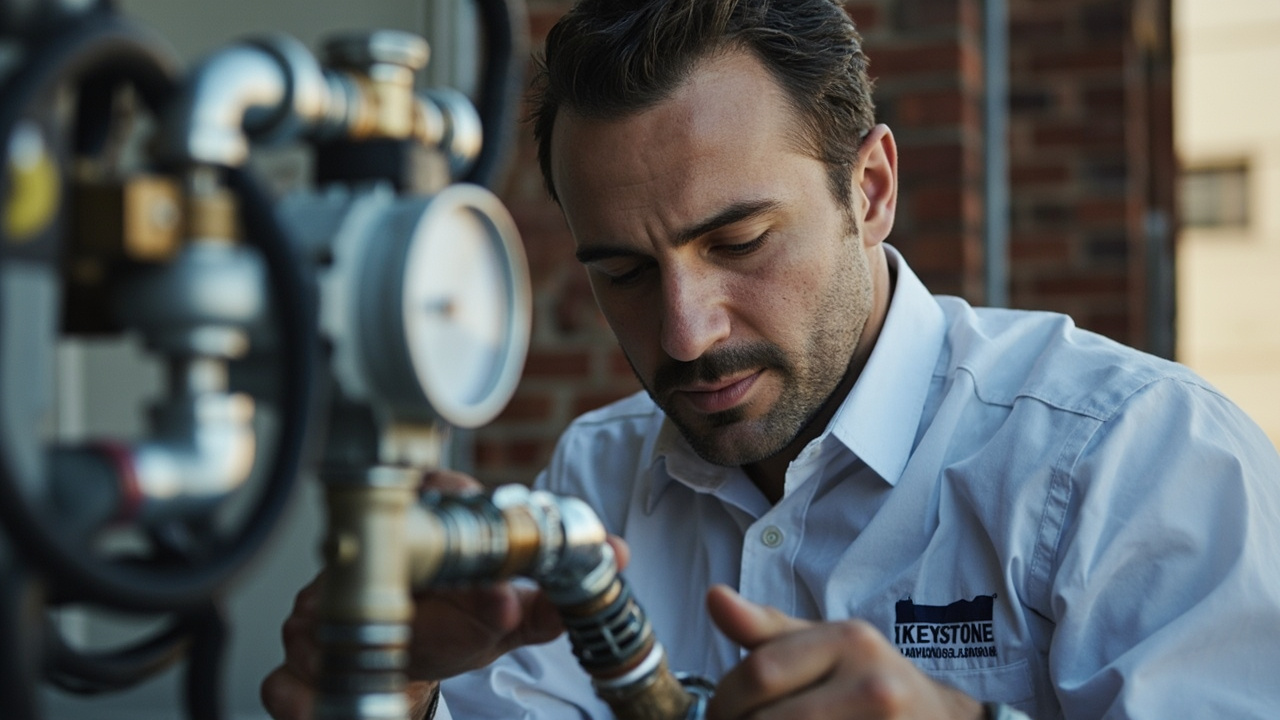
Baltimore's water distribution infrastructure dates to the 1800s in many neighborhoods, with cast iron mains that create frequent pressure fluctuations. The city experiences approximately 1,500 water main breaks annually, particularly during winter freeze-thaw cycles. These events create negative pressure conditions that trigger backflow situations if prevention assemblies fail. Properties near the Inner Harbor face additional challenges from the harbor's tidal influence, which can affect pressure dynamics in low-lying areas. Commercial facilities in Federal Hill, Locust Point, and Canton require vigilant cross-connection control testing because any contamination event in these densely developed waterfront zones creates immediate public health concerns and significant liability exposure.
Baltimore City maintains strict enforcement of backflow testing requirements through its Department of Public Works. The city's position as a major Chesapeake Bay watershed contributor means state environmental regulators closely monitor cross-connection control compliance. Maryland Department of the Environment conducts periodic audits of commercial facilities, reviewing backflow preventer inspection records as part of water quality protection programs. Facilities that cannot produce current certification documentation face immediate compliance orders and potential connection termination. Working with Maryland-licensed testers familiar with Baltimore's specific regulatory environment protects your business from these enforcement actions while demonstrating commitment to water quality protection that satisfies both municipal and state oversight agencies.